
2026 Best Distributed Power Generation Gearbox Suppliers?
The 2026 search for the best Distributed Power Generation Gearbox suppliers begins with a changing electricity market. IRENA’s Renewable Capacity Statistics 2025 reports 585 GW of renewable capacity added worldwide in 2024. Renewables represented 92.5% of total new power capacity. That expansion is increasing demand for compact, efficient, and serviceable transmission systems.
The equipment is not glamorous. It must survive heat, vibration, dust, fluctuating loads, and limited maintenance access. A gearbox supporting a biomass unit in Southeast Asia faces different stresses from one serving a small wind turbine in Northern Europe. Supplier capability therefore depends on more than rated torque or catalog efficiency. Field experience matters. So do material traceability, lubrication design, sealing quality, and documented failure analysis.
The International Energy Agency’s Electricity 2024 report expects strong electricity demand growth through 2026, supported by industry, cooling, electrification, and data centers. Distributed generation can help meet local demand, but its reliability depends on the smallest mechanical interfaces. That point is easy to underestimate.
This guide evaluates leading suppliers through engineering evidence, application fit, after-sales support, and lifecycle cost. It also considers certifications, testing practices, delivery capability, and replacement-part availability. No supplier is ideal for every project. That is the uncomfortable reality. A low purchase price may become expensive after one unplanned shutdown.
Wind data reinforces this pressure. The Global Wind Energy Council reported more than 117 GW of new wind capacity installed in 2024. As distributed assets multiply, buyers need gearbox partners that understand real operating conditions, not only laboratory specifications.
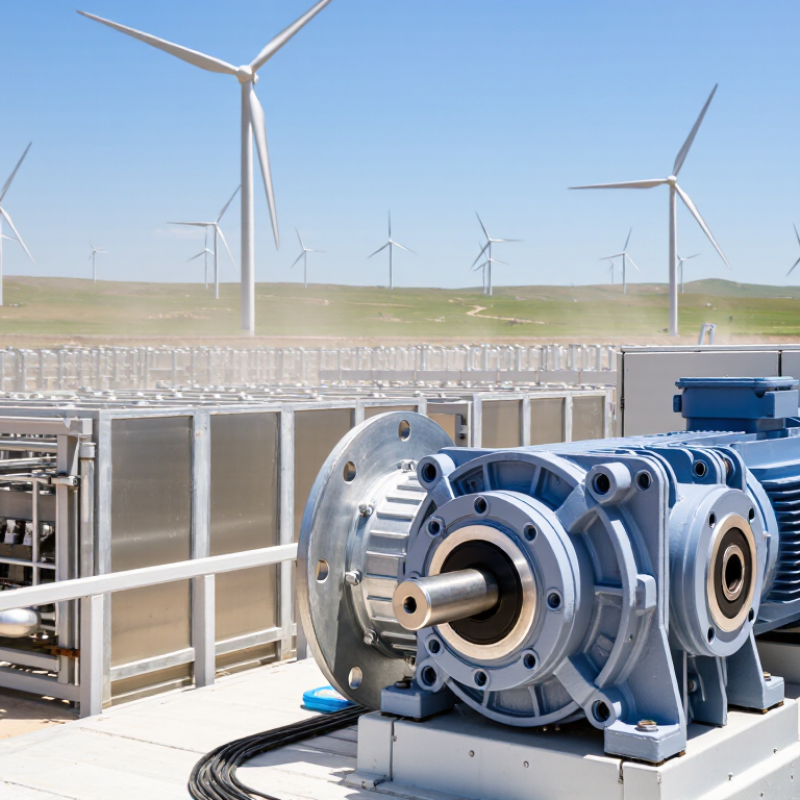
2026 Distributed Power Gearboxes: 1–10 MW Application Scope
For 1–10 MW distributed generation, gearbox selection depends on duty cycle, not brochure efficiency. These units serve biogas plants, biomass facilities, small wind projects, and industrial microgrids. Each application creates different torque, vibration, and maintenance demands. That range matters.
IRENA’s Renewable Capacity Statistics 2025 reported 4,448 GW of global renewable capacity at the end of 2024. It also recorded 585 GW of new capacity during that year. IEA’s Renewables 2024 report expects nearly 5,500 GW of additional renewable capacity between 2024 and 2030. More distributed assets will require compact, serviceable drivetrains. Suppliers should therefore provide verified load maps, thermal calculations, and documented field experience within the 1–10 MW class.
For practical screening, engineers should check rated torque, peak torque, gearbox ratio, bearing life, oil cooling, and torsional behavior. A 2 MW biogas engine may run steadily, while a 10 MW wind unit can face rapid load changes. NREL’s Cost of Wind Energy Review identifies drivetrain and maintenance costs as important lifetime cost factors. That evidence supports condition monitoring, spare-parts planning, and accessible inspection ports. The field is uneven. Some supplier data still relies on laboratory testing rather than long-term operating records. Buyers should request failure statistics, warranty boundaries, vibration limits, and references from comparable sites. A perfect gearbox does not exist. Conservative sizing may cost more initially, but undersizing can create expensive interruptions.



Get in touch with us,
We will contact you shortly!
What is the difference between Unline(Non-Epoxy Coated) or Lining(Epoxy Coated) Metal Drum?

What are Unline(Non-Epoxy Coated) and Lining(Epoxy Coated) drums compatible with?
What is the difference between Grade A and Grade B Metal Drum ?
What content is suitable to fill in a Recon Grade A or Grade B Drum?
What is the difference between Open Top and Close Top Drums and their usage?
What type of content are Metal or Plastic Drums suitable for?
Will there be any contamination in the reconditioned metal, plastic drums or IBC tanks?
What is the drum gauge(thickness) and weight for reconditioned metal drums?
Do you sell New Packaging Products too?
What additional services do you provide apart from selling reconditioned and new containers.?
Do you offer labelling and silkscreen on the containers ?
Are you able to ship overseas ?
Leading the Way
to Carbon Neutrality