
7 Tips for Buying Emollient Cetearyl Alcohol?
Buying Emollient Cetearyl Alcohol can look simple until supplier quality, formulation performance, and documentation enter the discussion. The ingredient appears as a soft, waxy solid, often supplied in flakes or pastilles. It can improve texture, support emulsion stability, and create a smoother after-feel. Yet not every product performs identically.
Cosmetic chemist Perry Romanowski offers a practical reminder: “Ingredient names need context; performance depends on the whole formula.” This principle matters when comparing purity, fatty alcohol ratios, melting range, odor, and manufacturing consistency. A lower price may hide weaker documentation or variable batch performance. That does not always mean poor quality, but it deserves careful checking.
This guide presents seven tips for buying Emollient Cetearyl Alcohol with greater confidence. You will examine the INCI name, supplier reliability, certificate of analysis, packaging, storage conditions, and compatibility with your formula. You will also consider whether the material suits creams, lotions, conditioners, or anhydrous products. Small details matter here. A damp warehouse can affect flakes before they reach production.
Some assumptions deserve questioning. “Cosmetic grade” alone may not explain enough. A polished specification sheet can still leave important gaps. Ask for recent batch data, allergen information, origin details, and technical support. Test a representative sample in your own formulation. The result may surprise you. Emollient Cetearyl Alcohol can feel elegant in one system, yet waxy or heavy in another. Careful purchasing connects laboratory evidence with real manufacturing needs.
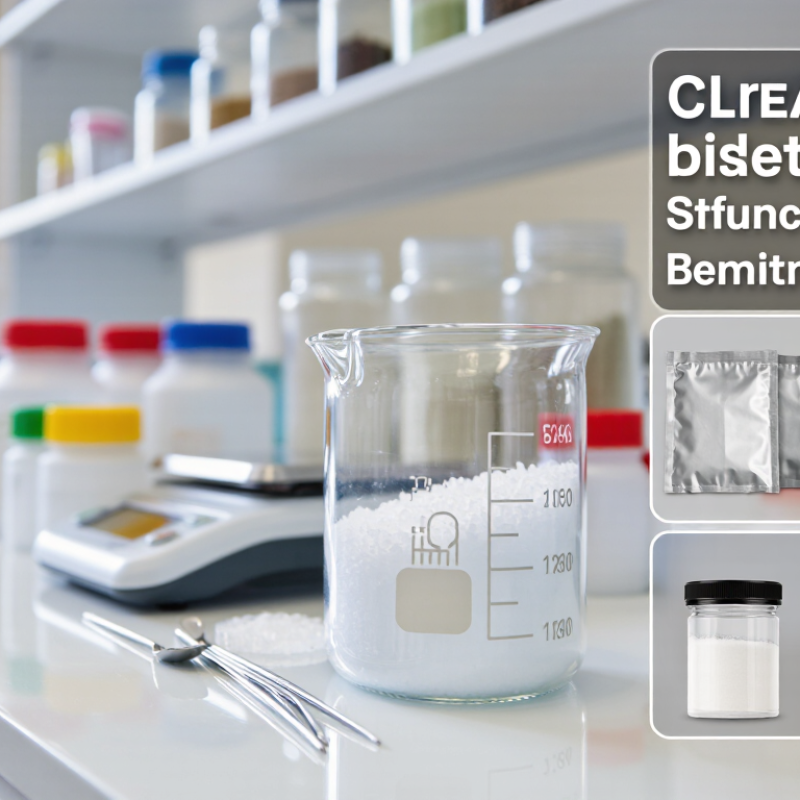
Understand Cetearyl Alcohol: INCI Name, CAS 67762-27-0, and C16–C18 Composition
Cetearyl Alcohol is a practical emollient for creams, conditioners, and cleansing products. Its INCI name is Cetearyl Alcohol, while CAS 67762-27-0 identifies the blended material. The blend usually contains cetyl alcohol (C16) and stearyl alcohol (C18). This composition improves slip, body, and texture without behaving like a drying alcohol.
Tip: Confirm both the INCI name and CAS number on the supplier’s technical documents. Small naming differences can create unnecessary confusion.
Tip: Ask for the C16–C18 ratio, melting range, acid value, iodine value, and purity data. These details help predict firmness and processing behavior.
Tip: Request a recent Certificate of Analysis, not only a sales specification. In my formulation reviews, batch variation has sometimes changed viscosity more than expected.
Tip: Check color, odor, and physical form before approving bulk material. A clean white flake is usually easier to handle.
Buying decisions need more than a low price.
Tip: Compare sample performance at the same use level and heating method.
Tip: Review packaging, storage temperature, shelf life, and transport conditions.
Tip: Confirm whether the material suits your target application and manufacturing process.
“High purity” sounds reassuring, but it needs measurable limits. The ratio may also vary. That deserves careful reflection. A reliable supplier should explain test methods, batch consistency, and suitable documentation clearly.

Compare Grades by Cetyl–Stearyl Ratio, Purity, and Melting Range of 48–56°C
7 Tips for Buying Emollient Cetearyl Alcohol
Buying cetearyl alcohol requires more than checking the label. Tip one: request the cetyl–stearyl ratio, such as 30:70 or 50:50. This ratio changes wax hardness, slip, and emulsion body. Tip two: compare the melting range. A practical specification often falls between 48 and 56°C, according to the USP–NF Cetearyl Alcohol monograph. Tip three: confirm purity using assay, acid value, hydroxyl value, and moisture results. Small differences matter.
Tip four: ask for a current certificate of analysis from each production lot. Tip five: inspect color and odor after heating. A clean, mild profile usually supports better sensory quality. Tip six: review residual solvents, heavy metals, and microbiological limits, even when the material is oil-soluble. The Cosmetic Ingredient Review Expert Panel has reported cetearyl alcohol as safe in cosmetic use when formulated appropriately, but safety depends on exposure and product design. Tip seven: test the actual grade in your emulsion.
Do not rely on melting point alone. A narrow range can improve batching, yet it does not guarantee a smoother cream. The Personal Care Products Council’s ingredient documentation also emphasizes specification control and supplier traceability. Ask for storage conditions and retest dates. I would not skip pilot testing. A 50:50 grade may feel elegant in one formula, but too waxy in another. Check the final product at 5°C, room temperature, and 40°C. Three temperatures reveal weaknesses quickly.
Check Supplier COAs for Acid Value, Hydroxyl Value, Color, and Moisture
When buying emollient cetearyl alcohol, start with the supplier’s current Certificate of Analysis (COA). Confirm the product name, batch number, production date, and test date. A document without batch details deserves caution. Ask whether the listed specifications apply to every shipment or only one tested sample.
Check the acid value carefully. It can indicate free fatty acids and possible degradation during storage. Compare the result with the supplier’s stated range, not an isolated number. Review the test method too, because different methods may produce different results. Next, examine the hydroxyl value. It helps verify the material’s alcohol composition and consistency. It is useful, but not sufficient alone. Chemistry rarely gives one perfect answer.
Color should match the agreed visual or instrumental limit. A darker sample may signal oxidation, contamination, or excessive heat exposure. Inspect a retained sample when possible. Moisture also matters. Excess water can affect melting behavior, texture, weighing, and processing stability. Check the moisture method and packaging condition. I once trusted a clean-looking COA too quickly; the delivered material behaved differently in production. That mistake taught me to compare COA data, packaging, storage history, and a small incoming sample. Ask for retesting when values sit near specification limits. Reliable purchasing leaves room for doubt.
7 Tips for Buying Emollient Cetearyl Alcohol? Check Supplier COAs for Acid Value, Hydroxyl Value, Color, and Moisture
The chart shows the remaining specification headroom for an anonymous, illustrative COA result against commonly used industry limits: acid value ≤2.0 mg KOH/g, hydroxyl value 200–220 mg KOH/g, color ≤30 Hazen, and moisture ≤0.5%. Higher headroom indicates greater distance from the relevant acceptance limit. Always confirm the current specification, test method, and batch results with the supplier.
Match Particle Form and HLB Behavior to Cream, Lotion, or Conditioner Needs
7 Tips for Buying Emollient Cetearyl Alcohol
When buying cetearyl alcohol, particle form should match your production equipment. Flakes suit larger heated vessels and controlled charging. Pastilles or pellets often disperse faster and reduce handling mess. Fine powders melt quickly, but they may create dust and uneven dosing. Check the melting range, particle-size distribution, moisture, color, and odor on the specification sheet. A consistent C16/C18 ratio also supports repeatable texture.
Creams usually need stronger body and a stable lamellar structure. Choose a form that melts evenly with oils and the primary emulsifier. Lotions often benefit from smaller particles, especially during shorter heating cycles. Conditioners require a different review. Cetearyl alcohol can improve slip, combability, and cushion, but it must work with the cationic conditioning system. HLB behavior matters here, although cetearyl alcohol is not a complete emulsifier. It changes the oil phase, viscosity, and interfacial structure. Do not select it by one HLB number alone. Supplier test methods and fatty-alcohol ratios can differ.
Run a small pilot batch. Watch the emulsion after 24 hours and after freeze-thaw testing. A smooth first pour can still become grainy later. I would also compare flakes against pellets in the same formula. The easier material is not always the better material. This is where buying decisions can become too simplistic. Ask for batch data, melting behavior, and compatibility notes before approving a large shipment.
Verify GMP, REACH, ISO Documentation, Packaging, Shelf Life, and Traceability
7 Tips for Buying Emollient Cetearyl Alcohol
Choose a supplier with a clearly identified manufacturing site. Request the current specification, COA, SDS, and batch sample. Confirm GMP controls through an audit report, certificate, or recent inspection evidence. A certificate alone is not enough. Check its scope, issuing body, expiry date, and covered site. The ISO Survey 2023 recorded over 1.26 million valid ISO 9001 certificates worldwide, but certification still requires practical verification.
Verify REACH status for your intended European supply chain. Ask whether the substance is registered, exempt, or covered by an appropriate downstream arrangement. Confirm ISO 9001 or ISO 22716 documentation where relevant. Documents should match the legal manufacturer and product grade. ECHA guidance emphasizes checking registration details, tonnage bands, and intended uses. Do not accept a generic declaration copied from another product.
Inspect packaging before approval. Sealed, clean, moisture-resistant bags or lined containers reduce contamination risks. Record lot number, manufacturing date, retest date, storage temperature, and remaining shelf life. Ask for stability evidence, not only a printed expiry date. Test key properties, such as appearance, odor, melting range, acid value, and hydroxyl value. Traceability should connect the delivered lot to raw materials, production records, testing, and shipment. A useful weakness to remember: paperwork may be current while one batch is poorly controlled. Keep retain samples, photograph damaged packaging, and review supplier performance after delivery.
7 Tips for Buying Emollient Cetearyl Alcohol? - Verify GMP, REACH, ISO Documentation, Packaging, Shelf Life, and Traceability
| No. | Buying Dimension | What to Verify | Recommended Evidence or Acceptance Point | Common Risk |
|---|---|---|---|---|
| 1 | Confirm Product Identity | Check that the material is cetearyl alcohol, a solid mixture mainly composed of cetyl alcohol and stearyl alcohol. Confirm the intended cosmetic, pharmaceutical, or industrial grade. | Current specification sheet and Certificate of Analysis (CoA) should identify the material name, applicable CAS number such as 67762-27-0 where relevant, appearance, odor, melting range, and purity or composition requirements. | A similar-looking fatty alcohol blend may have different melting behavior, emulsifying performance, or regulatory status. |
| 2 | Verify GMP Controls | Assess whether the manufacturing and storage systems control contamination, mix-ups, deviations, cleaning, change management, and batch release. | Request a current GMP certificate or audit report appropriate to the intended use. For cosmetic applications, ISO 22716 may be relevant; confirm the certificate scope, site, validity, and product coverage. | A certificate may apply only to a different facility, activity, or product category and may not support the intended application. |
| 3 | Check REACH and Regulatory Status | Determine whether the substance is manufactured in or imported into the European Economic Area and whether the applicable registration or exemption requirements are addressed. | Obtain a REACH compliance statement, the relevant registration or exemption basis, importer or Only Representative details when applicable, and an up-to-date Safety Data Sheet (SDS). | A generic “REACH compliant” statement without a legal basis, substance identity, or supply-chain responsibility is insufficient. |
| 4 | Review ISO Documentation | Distinguish between quality-management certification and product-specific or cosmetic manufacturing controls. | Verify the certificate number, issuing body, validity dates, certified site, and scope. ISO 9001 demonstrates a quality-management system; it does not by itself prove purity, GMP compliance, or cosmetic suitability. | An ISO certificate may be valid but unrelated to the supplied material or manufacturing process. |
| 5 | Inspect Packaging and Handling | Confirm that packaging protects the flakes, pastilles, or granules from moisture, dust, foreign matter, odor absorption, and physical damage during transport and storage. | Review the approved packaging specification, tamper evidence, inner liner material, net weight, palletization, transport conditions, and storage instructions. Common formats include sealed bags or lined fiber drums, subject to supplier validation. | Damaged seals, wet cartons, open liners, or unlabelled repacked material can compromise identity and quality. |
| 6 | Evaluate Shelf Life and Storage | Check the retest or expiry period, manufacturing date, remaining shelf life at delivery, and conditions needed to preserve performance. | Accept only material accompanied by a defined supplier shelf-life or retest policy, batch date, storage conditions, and CoA. Store in a cool, dry, well-ventilated area away from heat, moisture, and incompatible materials. | Shelf life is not universal; it depends on formulation, packaging, storage, and supplier stability data. |
| 7 | Confirm Traceability and Batch Consistency | Ensure every delivery can be traced from the received container back to the manufacturing batch and forward to distribution records. | The label and CoA should show a unique batch or lot number, production or retest date, quantity, country of origin where required, and supplier contact details. Request change-notification and recall procedures. | Mixed lots, relabelled containers, or missing batch records make investigations, recalls, and quality comparisons difficult. |
Article Source:
Get in touch with us,
We will contact you shortly!
What is the difference between Unline(Non-Epoxy Coated) or Lining(Epoxy Coated) Metal Drum?

Unline drums with internally bare metal surface is more susceptible to corrosion and rust while Lining drums are internally coated with Phenolic Epoxy Coating to provide a non-reactive barrier between the drum surface and your product, less risk of contamination. Note: Our Unline drums are coated with an anti-rust agent after washing to reduce risk of rust.
What are Unline(Non-Epoxy Coated) and Lining(Epoxy Coated) drums compatible with?

In Singapore, Recon Unline Drums are usually more costly than Recon Lining Drums. Hence, we recommend Recon Unline Drums to fill aromatics like Thinner, Xylene, Toulene& other solvents like Hexane, BA, CA, EA, MC, White spirit, etc.
We recommend the lower-priced Recon Lining Drums to fill hydrocarbons like IPA, Methanol, Ethanoland oil-based products like diesel, petrol, lubricants, engine, hydraulic, base, transmission fluid, additives, waste oil, etc.;
What is the difference between Grade A and Grade B Metal Drum ?

Grading of used drums are usually based on physical conditions like rustiness, deformities and residual contents. Grade A drums are totally free from internal rust, serious dents and are easy to clean. Grade B drums have different degrees of rust internally and aesthetically inferior compared to Grade A drums.
What content is suitable to fill in a Recon Grade A or Grade B Drum?

Recon Grade A drum is suitable to fill more costly virgin grade products while Recon Grade B drum is more suitable for recycled or waste products.
What is the difference between Open Top and Close Top Drums and their usage?

Closed top drums are for water and other liquid products. Open Top drums can be used for liquid too but are primarily for more viscous products. The Open Top (or open head with a lid) allows you to get in and out of the drum with your product easier.
What type of content are Metal or Plastic Drums suitable for?

Metal drums offer additional protection when dealing with potentially flammable substances. They provide superior fire resistance, impact protection, and longevity for storing class 1, 2, and 3 volatile chemicals.
Plastic HDPE Drums are suitable for corrosive chemicals like acids, alkaline and also water-based products.
Will there be any contamination in the reconditioned metal, plastic drums or IBC tanks?

All our reconditioned containers (metal/plastic drums, carboys, IBC tanks) are washed thoroughly with specially formulated cleaning agent, rinsed with clean water, dried, and tested for possible leakages during the recondition process. Stringent quality inspection is being conducted 100% on every reconditioned product before they are qualified for sale & delivery.
What is the drum gauge(thickness) and weight for reconditioned metal drums?

Reconditioned metal drums gauge can be 0.9mm to 1.0mm all round. Their weight can vary from 16 to 18kg.
Do you sell New Packaging Products too?

Yes, we are also a distributor for new pallets, metal drums, plastic drums, carboys, IBCs and stainless-steel tanks.
What additional services do you provide apart from selling reconditioned and new containers.?

We are an NEA licensed toxic industrial waste collector, who can collect and dispose of used toxic waste containers in Singapore.
Do you offer labelling and silkscreen on the containers ?

We can provide labelling and silk-screening on the containers.
Are you able to ship overseas ?

Yes, we can arrange export our products to any country in the world.
Leading the Way
to Carbon Neutrality