Top Benefits of Using IBC Containers for Your Storage and Transportation Needs

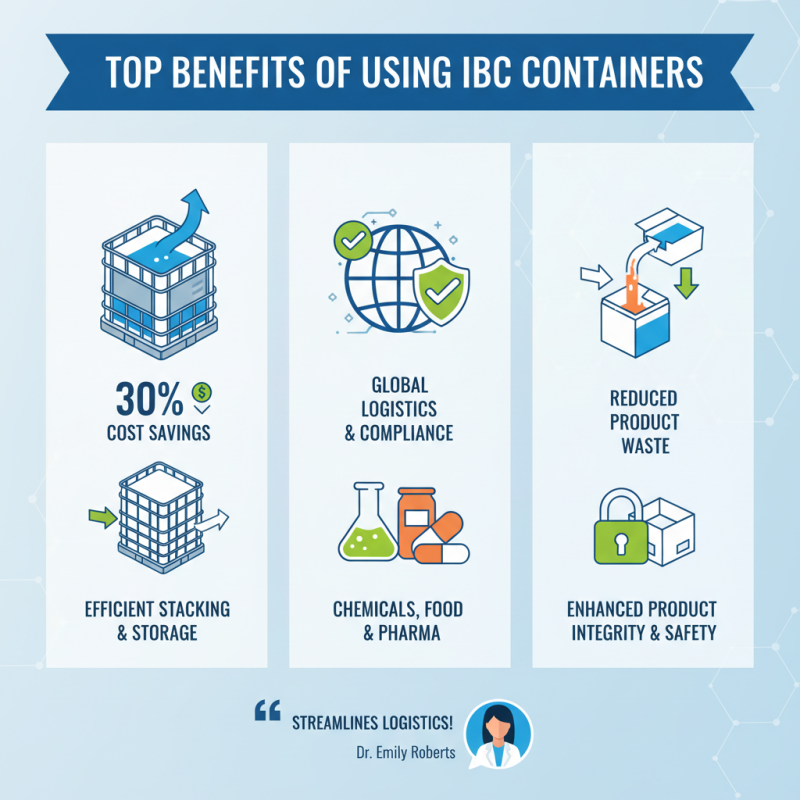
In today's fast-paced logistics and supply chain management environments, the efficiency and safety of storage and transportation methods are paramount. One of the most effective solutions that has gained traction in recent years is the use of IBC containers. A study by the International Container Bureau indicates that the adoption of Intermediate Bulk Containers (IBCs) can lead to up to 30% savings in shipping costs and a significant reduction in product waste during transportation. As businesses strive to optimize their operations, the flexibility and durability of IBC containers make them an ideal choice for a variety of industries, including chemicals, food and beverage, and pharmaceuticals.

According to Dr. Emily Roberts, a leading expert in packaging technology, "The utilization of IBC containers not only streamlines logistics but also enhances product integrity during transit." This underscores the growing recognition within the industry of the importance of adopting ISO-compliant storage solutions like IBC containers. Their modular design allows for efficient stacking and storage, while their robust construction ensures safety and compliance with regulations. As companies continue to seek innovative ways to improve their bottom lines, the benefits of IBC containers are becoming increasingly compelling, making them a preferred option for modern storage and transportation needs.
Top Benefits of Using IBC Containers for Your Storage and Transportation Needs

Key Advantages of IBC Containers for Efficient Storage Solutions

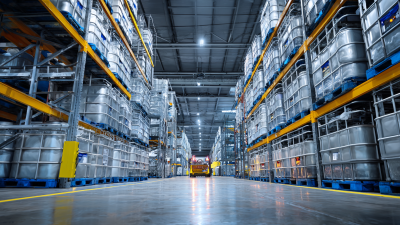
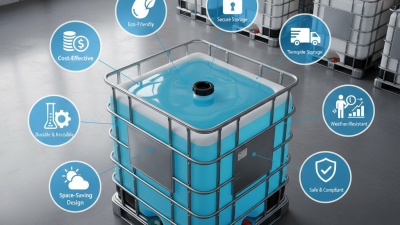
IBC containers, or Intermediate Bulk Containers, have become increasingly popular for storage and transportation needs due to their unique design and practicality. One of the key advantages of IBC containers is their versatile construction, which allows for the efficient storage of various liquids and bulk solids. Their large capacity—ranging typically from 275 to 330 gallons—means fewer containers are needed to store the same amount of product, leading to significant space savings in warehouses and during transport.

Tips for maximizing the use of IBC containers include ensuring proper stacking and securing during transport to prevent shifting or damage. Additionally, regular inspections of these containers for wear and tear can significantly extend their lifespan and maintain the integrity of the products stored within. It's also advisable to label each container clearly for easy identification, which helps streamline the loading and unloading process.

Another critical benefit of IBC containers is their eco-friendliness. Made from recyclable materials, these containers can reduce waste and promote sustainable practices. When reusing or recycling IBC containers, ensure that they are thoroughly cleaned and disinfected to maintain safety and prevent contamination. By incorporating IBC containers into your storage solutions, you not only optimize space but also contribute positively to the environment.
Versatility of IBC Containers in Various Industries

Top Benefits of Using IBC Containers for Your Storage and Transportation Needs

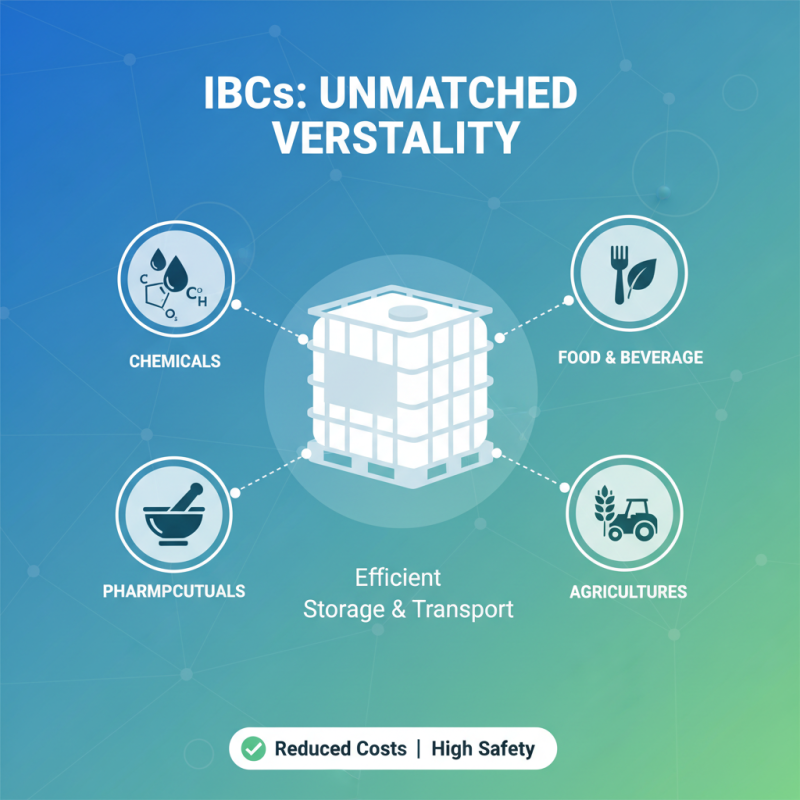
IBCs, or Intermediate Bulk Containers, have become increasingly popular across various industries due to their unmatched versatility. These containers are designed to handle a wide range of materials, from liquids to granulated substances, making them ideal for sectors such as chemicals, food and beverage, pharmaceuticals, and agriculture. The ability to store and transport a diverse array of products efficiently helps businesses streamline their operations and reduce costs, all while maintaining high safety standards.

When using IBC containers, it’s essential to consider a few tips for maximizing their effectiveness. First, ensure that the container is appropriate for the specific type of material being stored or transported. Some IBCs are designed for hazardous materials while others cater to food-grade products. Second, maintain proper labeling and documentation to ensure compliance with regulations and facilitate easy tracking. Lastly, clean the IBC thoroughly before switching the contents to avoid contamination.

The adaptability of IBC containers extends beyond just storage and transportation. Their modular design allows for easy stacking and efficient use of space, which is particularly beneficial for companies looking to optimize their warehouses or shipping areas. Integrating IBCs into your supply chain can enhance efficiency and productivity, enabling seamless transitions between different stages of logistics.

Cost-Effectiveness: Saving Money with IBC Containers

IBC containers, or Intermediate Bulk Containers, have emerged as a preferred solution for storage and transportation, particularly in industries that require efficient handling of bulk liquids and solids. One of the standout advantages of using IBC containers is their cost-effectiveness. With their robust design and efficient volume capacity, IBCs allow businesses to transport larger quantities of materials in fewer trips, which significantly reduces shipping costs. This consolidation leads to lower fuel consumption and minimizes the overall carbon footprint associated with transportation.

Moreover, IBC containers are reusable and durable, which contributes to long-term savings. Unlike single-use packaging options, IBCs can be refilled and utilized multiple times throughout their life cycle, extending the value derived from their initial purchase. Additionally, their stackable design maximizes storage space, enabling companies to optimize their storage facilities and reduce overhead costs. By investing in IBC containers, businesses not only streamline their logistics but also benefit from a more sustainable approach to packaging and transportation, making each operation more economically viable.

Cost-Effectiveness: Saving Money with IBC Containers

Environmental Benefits of Utilizing IBC Containers

The environmental benefits of using Intermediate Bulk Containers (IBCs) are increasingly relevant in today’s sustainability-focused market. IBCs are designed for efficient space utilization and waste reduction, allowing businesses to minimize their carbon footprint. According to a 2021 report by the International Standards Organization (ISO), using IBCs can decrease transportation emissions by up to 30% compared to traditional packaging methods. This reduction is primarily due to the ability of IBCs to optimize shipping loads, as they can hold larger quantities of liquids or bulk materials with less packaging waste.

Moreover, IBCs are manufactured using recyclable materials, which can significantly lower landfill contributions. A study conducted by the Waste & Resources Action Programme (WRAP) revealed that nearly 50% of industrial packaging materials currently end up in landfills, contributing to environmental degradation. By opting for IBCs, businesses not only comply with regulatory demands but also contribute to circular economy practices that promote reusability and recycling.

Tips: When transitioning to IBC containers, businesses should assess existing packaging processes to identify potential waste reduction areas. Additionally, partnering with a reputable recycling company can enhance the sustainability of used IBCs. Lastly, consider conducting regular audits on IBC utilization to ensure maximum efficiency and compliance with environmental standards, further driving your commitment to sustainability.

Safety and Compliance Features of IBC Containers

Top Benefits of Using IBC Containers for Your Storage and Transportation Needs

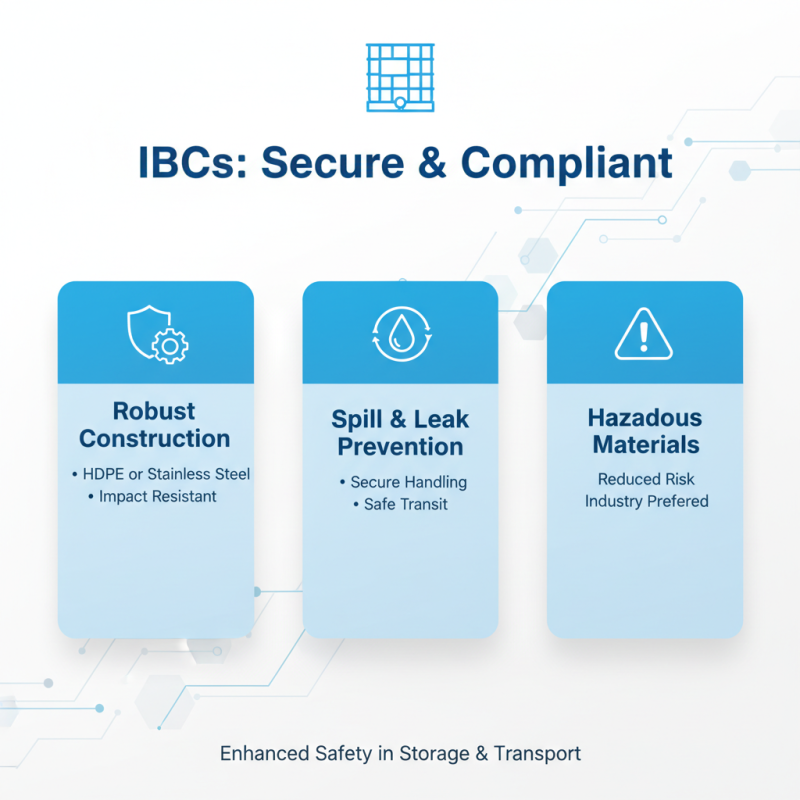
Intermediate Bulk Containers (IBCs) are increasingly recognized for their exceptional safety and compliance features, making them a preferred choice for storage and transportation across various industries. One of the primary safety designs of IBCs is their robust construction, typically made from high-density polyethylene or stainless steel, which offers excellent impact resistance and durability. This ensures that the contents remain secure during handling and transit, reducing the potential for spills and leaks, which are critical concerns in many sectors, especially those dealing with hazardous materials.

Moreover, IBC containers are equipped with various compliance features that adhere to industry regulations. Their design often includes integrated safety mechanisms such as pressure relief valves and secure closure systems, which are essential for maintaining the integrity of the stored materials. Many IBCs are also subject to rigorous testing and certification to meet specific standards, ensuring that they conform to safety norms for transportation and storage. This compliance not only protects the environment but also provides peace of mind for users, knowing that they are employing containers that prioritize safety and risk management in their operational processes.

Get in touch with us,
We will contact you shortly!

Get in touch with us by filling up the enquiry form. We will contact you shortly!

    What is the difference between Unline(Non-Epoxy Coated) or Lining(Epoxy Coated) Metal Drum?

    What are Unline(Non-Epoxy Coated) and Lining(Epoxy Coated) drums compatible with?

    What is the difference between Grade A and Grade B Metal Drum ?

    What content is suitable to fill in a Recon Grade A or Grade B Drum?

    What is the difference between Open Top and Close Top Drums and their usage?

    What type of content are Metal or Plastic Drums suitable for?

    Will there be any contamination in the reconditioned metal, plastic drums or IBC tanks?

    What is the drum gauge(thickness) and weight for reconditioned metal drums?

    Do you sell New Packaging Products too?

    What additional services do you provide apart from selling reconditioned and new containers.?

    Do you offer labelling and silkscreen on the containers ?

    Are you able to ship overseas ?

    Leading the Way
    to Carbon Neutrality

    Drumming sustainability into every aspect of our operations, we strive to create a greener and more conscious future for generations to come.
    Contact Us
    WhatsApp
    Email
    Join Our Newsletter

    Sign up for our newsletter for exclusive discounts and latest news of new launches!

      Logo Logo Logo Logo Logo
      Scroll to Top