
5 Best Ammonium Nitrate Sulphate Suppliers for Buyers

Choosing among Ammonium Nitrate Sulphate suppliers takes more than comparing prices. Buyers need to assess product consistency, documentation, delivery reliability, and technical support. A useful principle, consistent with soil scientist Dr. Achim Dobermann’s published work on nutrient management, is: “Match nutrient inputs to crop demand and local conditions.” This is a paraphrase, not a verbatim quotation.

That principle matters because fertilizer requirements vary by crop, soil, and application plan. Supplier documents should clearly state the product’s nutrient analysis, granule characteristics, packaging, and batch details. Ask for a current certificate of analysis, and check whether the supplier can explain its quality-control process. Details matter. A damp or damaged bag, unclear labeling, or a delayed shipment can create real headaches at the farm or warehouse.

This guide reviews five suppliers through practical buyer criteria, including product information, service, logistics, and transparency. It is not a substitute for local agronomic advice or a review of applicable requirements. Some supplier claims may sound similar on paper; that does not prove their products or service are equal. Buyers should verify specifications and references directly, especially before placing a large order. Small differences count. A careful comparison can reduce avoidable risk, though no checklist guarantees a perfect purchase.
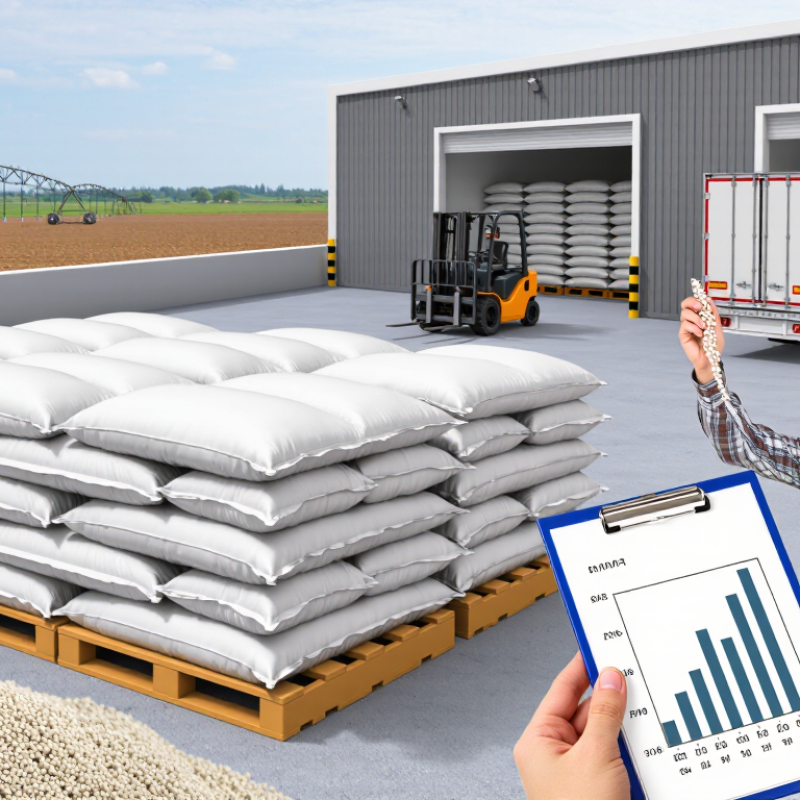
5 Best Ammonium Nitrate Sulphate Suppliers for Buyers

Ammonium Nitrate Sulphate Basics: Typical 26-0-0+12S Grade

A 26-0-0+12S grade typically supplies 26% total nitrogen and 12% sulfur by weight. The three numbers represent nitrogen, phosphate, and potash; the zeros mean no declared amounts of the latter two nutrients. Ammonium nitrate sulphate commonly provides nitrogen in ammonium and nitrate forms, while sulfur is often present as sulfate. Check the product label, since nutrient forms and analysis can vary. The grade is a starting point, not a complete crop plan.

Tips: Match application rates to a soil test and the crop’s growth stage. A small handful of granules cannot reveal whether the field needs more sulfur. Check the spreader setting, too; uneven bands can leave visible differences in crop color.

This fertilizer can suit crops with meaningful nitrogen and sulfur demand, but timing and placement matter. Rainfall, soil type, and previous applications affect nutrient availability. Keep records of rates and field response; those notes make the next decision less of a guess. It is easy to focus on the printed grade and overlook local conditions. A qualified agronomist can help interpret test results and refine the rate.


Buyer Checklist: Verify Nitrogen, Sulfur, Granule Size, and Safety Data

When comparing ammonium nitrate sulphate suppliers, check the guaranteed analysis and a recent certificate of analysis. Commercial grades may contain about 26% nitrogen and 12% sulfur, but formulations vary. Confirm total nitrogen and the nitrogen forms, then verify sulfur content and whether it is present as sulfate. The International Fertilizer Association’s 2024 medium-term outlook puts global fertilizer nutrient demand near 200 million tonnes annually, underscoring the scale of a market where specifications matter. A label is not a lab result.

Ask for granule-size distribution, not just a “uniform granule” claim. Request sieve data showing the percentage within the size range you need, plus limits for fines and oversized particles. This helps assess flow through spreaders and reduce segregation during handling. Check the safety data sheet (SDS) for the product’s hazards, protective equipment, storage conditions, and incompatible materials. Keep documentation current; a product change can make an old SDS unreliable.

Tips: Compare the supplier’s analysis with an independent laboratory result when practical. Inspect a sample for dust, dampness, and broken granules. Small details count. I’ve seen buyers focus on price and overlook fines; that can create avoidable spreading problems. Ask how batches are tested and whether shipment documents identify the specific lot.

5 Best Ammonium Nitrate Sulphate Suppliers for Buyers - Buyer Checklist: Verify Nitrogen, Sulfur, Granule Size, and Safety Data

Compare these five supplier types against your purchasing requirements. They are sourcing profiles, not named or ranked companies; actual product specifications and service levels must be verified with each seller.

Supplier type Best suited for Nitrogen and sulfur checks Granule size and quality checks Safety and documentation checks Buyer action before ordering
Integrated fertilizer producer Large-volume buyers seeking direct production information, scheduled shipments, and repeat orders. Request the guaranteed analysis and a recent batch certificate of analysis (COA). Confirm total nitrogen, the nitrate and ammoniacal nitrogen fractions where applicable, and total sulfur. Specify the required particle-size range in the contract. Request a sieve analysis and limits for fines, oversize particles, and moisture. Obtain the current safety data sheet (SDS), product identification, storage guidance, and shipment-specific transport classification. Confirm production origin, minimum order quantity, available packaging, lead time, and whether the COA corresponds to the shipped batch.
Regional fertilizer manufacturer Buyers needing supply closer to the delivery market or product options suited to local agricultural conditions. Match the supplier's declared nutrient analysis to the purchase specification; do not assume all ammonium nitrate sulphate products have the same nitrogen-to-sulfur ratio. Ask whether the material is manufactured as a uniform product or blended, and request evidence of batch uniformity plus the agreed sieve results. Check that the SDS and product labels meet the destination market's applicable language and regulatory requirements. Request samples and independent laboratory testing if nutrient consistency or physical quality is critical to the application.
Authorized fertilizer distributor Small and medium buyers who value local inventory, smaller order quantities, and nearby technical or delivery support. Verify the original producer's guaranteed analysis and obtain a COA or traceable product documentation for the lot offered. Confirm that bags or bulk material are stored dry and protected from contamination, and check that the delivered grade meets the agreed size specification. Request the product-specific SDS and confirm that storage, handling, and transport information applies to the exact grade being supplied. Check product traceability, stock age where available, packaging condition, delivery terms, and the distributor's process for handling quality claims.
Import and export fertilizer trader Buyers arranging international shipments, port delivery, or supply from more than one production origin. Obtain the producer's specification and lot COA. Confirm nutrient declarations, units, test methods, and acceptance tolerances before payment. Agree on the size range and sampling method in writing; request pre-shipment inspection or independent inspection for bulk cargo where appropriate. Confirm the current SDS, applicable transport classification, shipping documents, and destination-country import and fertilizer requirements. Verify the named producer, country of origin, Incoterms, inspection arrangements, insurance, and responsibility for customs documentation.
Agricultural cooperative or bulk wholesaler Farmers and local buyers who need consolidated purchasing, seasonal availability, or delivery in practical farm quantities. Compare the guaranteed analysis on the product label with the order documents, and ask for a COA when the application requires tighter control. Inspect delivered material for excessive dust, caking, damaged packaging, or visible contamination; use the contract's sieve specification for formal acceptance. Check that safe-storage instructions and the SDS are accessible to staff handling or storing the fertilizer. Confirm seasonal stock, delivery capacity, packaging or bulk options, storage conditions, and the procedure for reporting damaged or non-conforming goods.

Specification reminder: Commercial ammonium nitrate sulphate grades vary. A commonly encountered example is approximately 26% total nitrogen and 13% sulfur, but this is not a universal specification. Set nitrogen, sulfur, particle-size, moisture, and acceptance requirements from the intended use and applicable local rules. Transport classification depends on the exact product and governing regulations; verify it from the current product-specific SDS and shipping documents.

Five Ammonium Nitrate Sulphate Suppliers: Compare Regions and Product Grades

Buyers comparing five ammonium nitrate sulphate supplier regions should start with the grade, not the quoted price. European and Black Sea offers may include granular grades around 26% nitrogen and 13% sulphur; confirm the guaranteed analysis on each current certificate. Middle Eastern suppliers can be worth comparing for bulk shipment options, while South and East Asian suppliers may offer different granule sizes or packaging. These are sourcing patterns, not guarantees. Details matter.

The International Fertilizer Association’s 2024 outlook puts global fertilizer demand near 200 million tonnes of nutrients in 2024/25. FAO’s World Food and Agriculture Statistical Yearbook 2024 records roughly 185 million tonnes in 2022. These totals cover nutrients across fertilizer types, not ammonium nitrate sulphate alone. They help explain why regional availability and freight costs can shift between seasons.

Compare five suppliers using the same checklist: nitrogen and sulphur percentages, particle-size range, moisture limit, packaging, lead time, and shipment terms. Ask for a recent certificate of analysis and a representative sample. A price sheet can hide important differences. I would not rank offers on price alone; granules that segregate during handling may cause uneven field application. Even a tidy comparison table can miss that risk.

Supplier Due Diligence: Check Certifications, Capacity, and Export Experience

When comparing ammonium nitrate sulphate suppliers, treat certification as a document to verify, not a logo to admire. Request current certificates relevant to product quality and manufacturing, then confirm their scope, issuing body, and validity. Ask for a recent batch certificate showing nutrient analysis, moisture, and other agreed specifications. Check that its product name and facility details match the quotation. Small mismatch? Ask about it.

Capacity claims need practical evidence. Request typical monthly output, available volume, packaging options, and a realistic loading window. Compare those details with the order size and delivery schedule you need. A large stated capacity does not guarantee stock is allocated to your shipment. Ask how the supplier handles delays or specification issues, and get the response in writing. It may feel tedious, but vague answers can become costly.

Export experience matters when documents, ports, and delivery terms vary by destination. Ask which markets the supplier has served, what shipping records it can share, and whether it has handled your destination’s import documentation before. Verify references independently when possible. A polished brochure proves little. No supplier will have a perfect record, and one missing detail is not automatic grounds for rejection; it is a reason to pause, clarify, and assess the evidence before committing.

Purchase Comparison: Assess Price, Minimum Order, Incoterms, and Lead Time

When comparing ammonium nitrate sulphate suppliers, ask for the same grade, nutrient specification, and packaging in every quotation. A low price per tonne may exclude inland transport, bagging, or inspection costs. Check the currency, quotation validity, and whether the price is ex-works, FOB, or delivered to your destination. These Incoterms affect which costs and transport arrangements each party handles. Small details matter.

Compare minimum order quantities against your storage capacity and seasonal demand. A smaller trial order can reduce risk, but its unit price may be higher. Ask whether the stated lead time begins after payment, order confirmation, or production approval. Request separate estimates for preparation and transit, and confirm the planned dispatch window in writing. Port delays happen. Supplier documents should identify the product grade and batch, with relevant test results available for review. A spreadsheet helps, but it can still mislead if quotes use different delivery points or shipment sizes. Recheck the assumptions before choosing; even a careful comparison may miss local handling fees.

5 Best Ammonium Nitrate Sulphate Suppliers: Purchase Comparison

Compare current offers by price, minimum order, Incoterms, and lead time. Supplier-specific figures are intentionally left blank because no verified quotations were provided.

Anonymous Offer Price (USD/tonne) Minimum Order Incoterm Lead Time
Offer 1Request quoteConfirm with sellerConfirm in offerConfirm with seller
Offer 2Request quoteConfirm with sellerConfirm in offerConfirm with seller
Offer 3Request quoteConfirm with sellerConfirm in offerConfirm with seller
Offer 4Request quoteConfirm with sellerConfirm in offerConfirm with seller
Offer 5Request quoteConfirm with sellerConfirm in offerConfirm with seller

Ammonium nitrate sulphate prices and availability depend on grade, origin, shipment size, and market conditions. Request dated, like-for-like quotations and verify the named Incoterms® 2020 rule, destination, packaging, and delivery schedule before comparing offers.

Get in touch with us,
We will contact you shortly!

Get in touch with us by filling up the enquiry form. We will contact you shortly!

    What is the difference between Unline(Non-Epoxy Coated) or Lining(Epoxy Coated) Metal Drum?

    What are Unline(Non-Epoxy Coated) and Lining(Epoxy Coated) drums compatible with?

    What is the difference between Grade A and Grade B Metal Drum ?

    What content is suitable to fill in a Recon Grade A or Grade B Drum?

    What is the difference between Open Top and Close Top Drums and their usage?

    What type of content are Metal or Plastic Drums suitable for?

    Will there be any contamination in the reconditioned metal, plastic drums or IBC tanks?

    What is the drum gauge(thickness) and weight for reconditioned metal drums?

    Do you sell New Packaging Products too?

    What additional services do you provide apart from selling reconditioned and new containers.?

    Do you offer labelling and silkscreen on the containers ?

    Are you able to ship overseas ?

    Leading the Way
    to Carbon Neutrality

    Drumming sustainability into every aspect of our operations, we strive to create a greener and more conscious future for generations to come.
    Contact Us
    WhatsApp
    Email
    Join Our Newsletter

    Sign up for our newsletter for exclusive discounts and latest news of new launches!

      Logo Logo Logo Logo Logo
      Scroll to Top