
What Are Channel Magnets and How Do They Work?

Channel Magnets are compact magnetic assemblies designed to provide strong, practical holding power in a narrow, easy-to-mount form. Unlike a bare disc magnet, a channel magnet usually sits inside a steel casing with a flat back, recessed face, or mounting hole. This structure helps protect the magnet and directs more magnetic force toward the working surface. The result is a cleaner installation for signs, cabinet doors, sensors, fixtures, and light-duty industrial equipment.

Their operation depends on magnetic attraction between the magnet and a nearby ferromagnetic material, such as steel or iron. The steel channel can concentrate the magnetic field on one side. It may also reduce unwanted movement across the mounting surface. Neodymium versions often provide high holding force in small spaces, while ceramic versions offer lower cost and reliable performance in less demanding applications. However, strength is not a single fixed number. Air gaps, surface condition, pull direction, temperature, and steel thickness can change the result significantly.

A catalog rating is only a starting point. Real conditions matter.

In practical selection, engineers compare the manufacturer’s pull-force data with the actual load, safety margin, and installation method. A painted or uneven surface can weaken contact, sometimes more than expected. Testing a sample under working conditions is wise, although it may feel unnecessary. Correct alignment also matters, because sliding resistance differs from direct pull strength. This guide explains how Channel Magnets work, where their construction helps, and what limitations should be considered before choosing one.
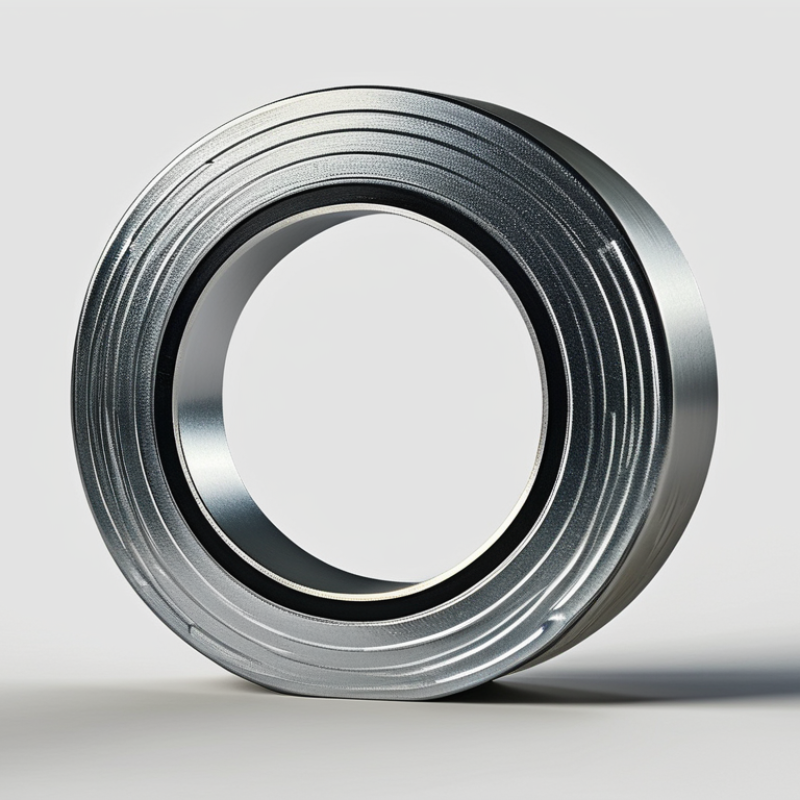
What Are Channel Magnets and How Do They Work?

What Are Channel Magnets and What Makes Their Design Unique?

Channel magnets combine a permanent magnet with a shaped steel channel. This structure makes their design different from a bare magnet. The steel backing redirects magnetic flux toward the working face. It also protects the magnet from some edge damage. A channel can include countersunk holes, threaded points, or adhesive backing for easier installation. The magnet may look simple. Its performance is not.

The channel creates a focused pulling area, which can improve holding strength against a flat steel surface. However, the result depends on the air gap, contact quality, steel thickness, and load direction. Dust, paint, uneven surfaces, or a small gap can reduce the force noticeably. In practical testing, a magnet holding vertically may perform differently when pulled straight outward. Shear loads can also cause sliding. It is easy to overestimate a published holding value. Real conditions are less tidy.

Tips: Clean both surfaces before testing. Keep the magnet flat against the steel. Check the load direction and allow a safety margin. Avoid treating the magnet as a universal fastener. Temperature, vibration, and repeated movement deserve attention. A stronger magnet is not always the better choice; removal may become difficult, and the channel or mounting surface could deform. The design is efficient, but not flawless.


How Do Channel Magnets Generate and Direct Magnetic Force?

A channel magnet combines a permanent magnet with a U-shaped steel channel. The magnet creates magnetic flux between its north and south poles. The steel provides a low-reluctance path, guiding flux through the channel instead of allowing it to spread widely. This concentrates the useful field near the open face. Think of a small magnetic hook holding a steel plate through a thin air gap.

The holding force depends strongly on flux density, pole area, and separation. An ideal estimate uses F ≈ B²A/(2μ₀), where B is flux density and A is the active pole area. Even a one-millimeter gap can reduce force sharply. Fringing also weakens the field around corners. The channel does not create extra magnetic energy; it redirects and concentrates existing flux. The model is useful, but imperfect.

Material selection affects performance. Ferrite magnets offer stable, economical output, while rare-earth materials provide higher energy density in smaller spaces. The U.S. Geological Survey reported approximately 350,000 metric tons of rare-earth-oxide equivalent production in 2023. The International Energy Agency’s Global Critical Minerals Outlook 2024 projects magnet rare-earth demand could reach roughly 2.5 times its 2023 level by 2040. These figures underline the need for efficient designs and responsible material planning. In practical testing, measure pull force at the real working gap, not against bare magnet specifications. Temperature, surface coating, steel thickness, and saturation can change results. Small details matter.

What Materials and Shapes Are Used in Channel Magnets?

Channel magnets combine a permanent magnet with a steel channel that guides and protects magnetic force. The channel usually uses mild steel because it redirects flux toward the open face. This can improve holding strength on flat metal surfaces. It also shields the magnet from side impacts.

Ferrite magnets suit basic indoor uses. They cost less and resist corrosion reasonably well. Neodymium magnets provide much stronger attraction in smaller spaces. However, they can chip easily and may need nickel, epoxy, or rubber protection. A rubber coating can reduce scratches, but it may lower the direct contact force slightly. That trade-off deserves testing.

Common shapes include U-shaped channels, rectangular bars, square blocks, and countersunk designs. U-shaped models often fit doors, panels, and lightweight fixtures. Rectangular channels work well beneath shelves or inside sliding components. Countersunk holes allow screws to sit flush with the surface. Some designs add end plates or mounting flanges for steadier installation. The best shape depends on the contact area, pull direction, air gap, and load movement. Even a thin layer of paint can weaken performance. A small gap matters. For reliable selection, measure the real surface and test the magnet under working conditions, because catalog strength rarely matches every installation.

How Are Channel Magnets Installed and Used in Everyday Applications?

Channel magnets are compact magnetic assemblies fitted inside a steel channel. The channel concentrates magnetic force and protects the magnet from chips, knocks, and moisture. In everyday applications, they are installed on cabinet doors, removable access panels, display boards, tool holders, and lightweight room dividers.

Installation begins with accurate measurement. The magnet must align with a steel plate or a second magnetic surface. A small misalignment can weaken the hold. Clean both surfaces and remove dust, oil, and loose paint. For screw-mounted channels, mark the holes carefully and avoid over-tightening. Excessive force can bend the channel or damage the mounting surface. Adhesive-backed versions need firm pressure and curing time. They may appear secure immediately, but early loading can cause failure.

Keep the magnet away from sensitive electronic devices and moving machinery. Check the expected load, vibration, temperature, and surface condition before installation. Channel magnets work well for light doors and removable covers, but they are not automatically suitable for overhead or safety-critical support. A practical installer should test the finished assembly several times. Pull it open, close it repeatedly, and inspect the screws or adhesive. Simple installations can still fail. Rechecking the fit is often the step people skip. As surfaces age or become dusty, holding strength may change, so periodic inspection remains sensible.

What Are Channel Magnets and How Do They Work?

Channel magnets combine a permanent magnet with a steel channel that concentrates magnetic flux and protects the magnet. The chart shows representative holding-force capacities for common everyday applications.

Approximate values are shown in newtons (N). Actual holding force depends on magnet grade, contact area, steel thickness, surface condition, air gaps, and shear direction. Installation commonly uses countersunk screws, adhesive, or a matching steel plate.

What Are the Benefits and Limitations of Channel Magnets?

Channel magnets place a permanent magnet inside a steel casing. The casing protects the magnet and concentrates magnetic flux toward the open face. This design supports signs, panels, sensors, fixtures, and removable covers without drilling.

Their main benefit is practical strength in a small footprint. They install quickly and leave fewer visible marks. They also allow repeated removal, which helps during maintenance. However, holding force is often overstated. Air gaps from paint, dust, plastic, or uneven steel can reduce performance sharply. Pulling straight away is easier than sliding sideways. Heat can weaken some magnet grades, while corrosion may damage uncoated surfaces. The USGS Mineral Commodity Summaries 2025 reports 2024 global rare-earth mine production at about 390,000 metric tons of rare-earth-oxide equivalent. China produced approximately 270,000 metric tons. This concentration shows why rare-earth magnet costs and supply deserve attention.

Tips: Test the exact assembly, not only the magnet. Measure holding force after adding the real coating and panel. Keep magnets away from sensitive medical devices and electronic storage media. Check the manufacturer’s temperature rating, coating, and safety factor. A useful design target is often two to three times the expected load, but that is not universal. Real installations are messier than laboratory tests. I have seen a strong magnet fail because the steel surface was slightly curved. That small detail is easy to miss.

What Are Channel Magnets and How Do They Work? - What Are the Benefits and Limitations of Channel Magnets?

Data Dimension Typical Characteristics and Verified Facts Practical Benefit or Limitation
Basic Definition A channel magnet is a permanent magnet mounted inside, or attached to, a U-shaped ferromagnetic channel, commonly made from low-carbon steel. The channel protects the magnet and helps direct magnetic flux toward the working surface.
How It Works The magnet produces a static magnetic field. The steel channel provides a low-reluctance path that concentrates more of the field on the open side. The focused field can improve attraction to nearby ferromagnetic materials compared with an uncovered magnet of similar size.
Magnetic Materials Common permanent-magnet materials include ceramic ferrite and rare-earth materials such as neodymium. The channel is usually ferromagnetic steel. Material choice affects magnetic strength, cost, corrosion resistance, operating temperature, and mechanical durability.
Attracted Materials Channel magnets attract ferromagnetic metals, including iron and many carbon-steel grades. Aluminum, copper, brass, plastic, wood, glass, and most stainless steels are not attracted under normal conditions. The magnet is suitable for steel attachment and ferrous-part handling, but it cannot directly hold nonmagnetic materials.
Holding Force Holding force depends on magnet grade, pole arrangement, contact area, air gap, steel thickness, surface condition, and direction of loading. Published force values are normally measured on clean, flat, thick steel under controlled conditions. A rating from a catalog should not be treated as a guaranteed field performance value. Paint, rust, dust, curvature, and gaps can substantially reduce holding force.
Air Gap Sensitivity Magnetic force decreases rapidly as the distance between the magnet and the steel target increases. Even a thin layer of paint, tape, plastic, or debris can create a meaningful air gap. For maximum holding force, the contact surface should be clean, flat, and as close to the magnet face as practical.
Load Direction Pull-off force, measured perpendicular to the contact surface, is generally different from sliding or shear resistance. Sliding performance also depends on friction and surface finish. A magnet that resists direct separation well may still slide when exposed to vibration, impact, or side loading.
Main Benefits Compact design, reusable attachment, no drilling required, quick installation, concentrated magnetic flux, and protection of the magnet by the surrounding channel. Channel magnets can provide a practical removable fastening method for signs, fixtures, sensors, covers, tools, and light-duty industrial components.
Mechanical Protection The steel channel can shield the magnet from some side impacts and reduce the likelihood of edge chipping or direct abrasion. The channel improves physical durability, but it does not make the assembly immune to impact, bending, crushing, or separation from its adhesive or fasteners.
Installation Options Channel magnets may be attached using screws, countersunk holes, threaded hardware, adhesive backing, brackets, or a mechanically integrated channel design. Mechanical attachment is generally preferable for sustained loads, vibration, elevated temperatures, or safety-critical applications.
Temperature Limits The allowable temperature depends on the magnet material and grade. Standard permanent magnets can lose performance when exposed to temperatures above their specified operating range; excessive heat can cause irreversible demagnetization. The exact magnet specification must be checked before use near ovens, engines, heaters, welding operations, or other heat sources.
Corrosion Resistance Uncoated steel channels can rust in humid or corrosive environments. Some magnet materials also require plating, coating, encapsulation, or sealing for moisture protection. Outdoor, wet, or chemically exposed installations may require corrosion-resistant hardware and a sealed construction.
Electrical Behavior A permanent channel magnet does not require electrical power to produce its magnetic field and does not generate heat during normal static operation. It can provide energy-free holding, although nearby electronic components may be affected by magnetic fields.
Common Applications Typical uses include removable signs, cabinet and door closures, magnetic fixtures, cable management, position holding, light-duty sensors, display mounting, and separation of ferrous particles. The design is versatile where repeated attachment and removal are useful and the target surface is ferromagnetic.
Key Limitations Performance is reduced by air gaps, thin or curved steel, contamination, vibration, shock, unfavorable load direction, high temperature, corrosion, and incorrect sizing. A channel magnet should not be selected solely by its nominal dimensions or advertised pull-force value.
Safety Considerations Strong magnets can pinch skin, attract tools unexpectedly, interfere with magnetic sensors, affect magnetic storage or other sensitive devices, and create hazards near certain medical implants. Magnets should be handled carefully, kept away from sensitive equipment and restricted medical environments, and secured against unexpected movement.
Selection Criteria Important factors include target material, required holding force, load direction, air gap, dimensions, temperature, humidity, vibration, mounting method, and desired ease of removal. Testing the complete assembly under real operating conditions is the most reliable way to confirm suitability.
Values and characteristics are general engineering guidance; actual performance varies with magnet grade, geometry, target material, surface condition, and installation.
Important: Channel magnets are generally best suited to applications involving clean, ferromagnetic surfaces and controlled mechanical loads. For lifting, overhead mounting, personnel protection, or safety-critical use, an application-specific engineering assessment is required.

Get in touch with us,
We will contact you shortly!

Get in touch with us by filling up the enquiry form. We will contact you shortly!

    What is the difference between Unline(Non-Epoxy Coated) or Lining(Epoxy Coated) Metal Drum?

    What are Unline(Non-Epoxy Coated) and Lining(Epoxy Coated) drums compatible with?

    What is the difference between Grade A and Grade B Metal Drum ?

    What content is suitable to fill in a Recon Grade A or Grade B Drum?

    What is the difference between Open Top and Close Top Drums and their usage?

    What type of content are Metal or Plastic Drums suitable for?

    Will there be any contamination in the reconditioned metal, plastic drums or IBC tanks?

    What is the drum gauge(thickness) and weight for reconditioned metal drums?

    Do you sell New Packaging Products too?

    What additional services do you provide apart from selling reconditioned and new containers.?

    Do you offer labelling and silkscreen on the containers ?

    Are you able to ship overseas ?

    Leading the Way
    to Carbon Neutrality

    Drumming sustainability into every aspect of our operations, we strive to create a greener and more conscious future for generations to come.
    Contact Us
    WhatsApp
    Email
    Join Our Newsletter

    Sign up for our newsletter for exclusive discounts and latest news of new launches!

      Logo Logo Logo Logo Logo
      Scroll to Top