
How to Choose the Right IBC Water Tank for Your Needs?
Choosing the right IBC water tank can be challenging. With various sizes and materials available, it's important to find a tank that fits your specific needs. An expert in the industry, John Smith, once said, "Selecting the right IBC water tank is crucial for efficiency and safety." His insight highlights the importance of careful consideration.
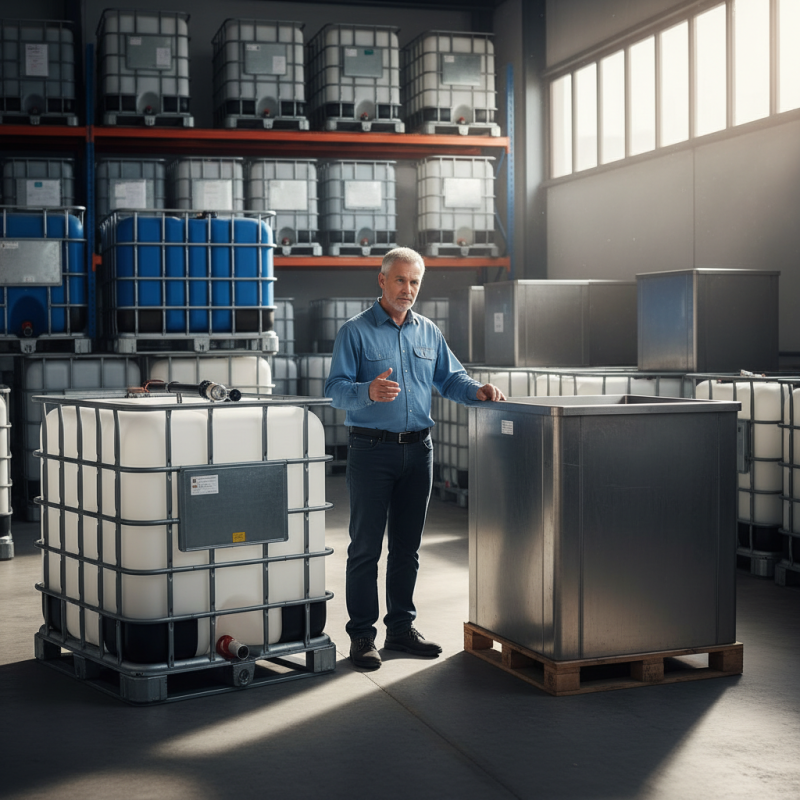
To start the process, you should assess your requirements. Do you need it for storage, transport, or both? Your intended use will greatly influence the type of IBC water tank you choose. Consider factors like capacity and materials. Some tanks are made from high-density polyethylene, while others are made from steel. Each has its advantages and drawbacks.
It's essential to invest time in research. Not all IBC tanks are created equal. A poor choice can lead to leaks or contamination. Remember, the right tank will not only meet your needs but will also ensure peace of mind. Make sure to think about your long-term plans. Your needs may change, and a flexible solution could save you in the future.
Understanding the Different Types of IBC Water Tanks Available
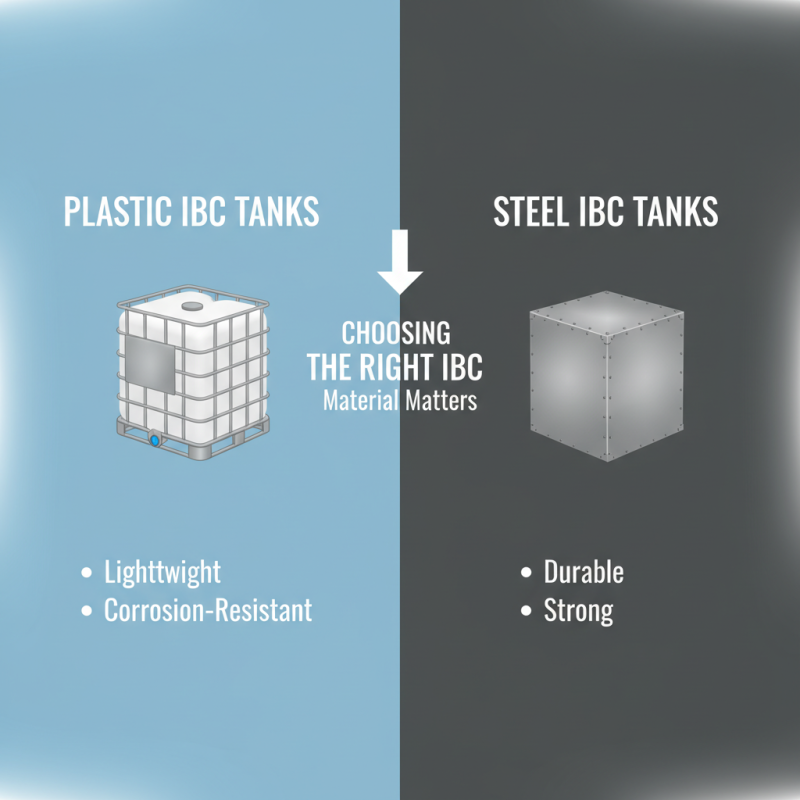
When choosing the right IBC (Intermediate Bulk Container) water tank, it’s essential to understand the types available. These tanks vary in materials, sizes, and designs. Generally, most are made of high-density polyethylene or steel. Plastic tanks are lightweight and corrosion-resistant. Steel tanks offer durability and strength. Depending on your environment, the material can significantly impact your choice.
There are also options for different capacities. Smaller tanks, with a capacity of 330 gallons, are ideal for personal use. Larger tanks, upwards of 1,000 gallons, suit commercial or agricultural needs. Some designs are stackable, which saves space during storage. However, you must consider your loading and unloading processes. Is there enough space for a pallet jack?
Qualities like UV resistance and thermal insulation are important too. UV-resistant tanks minimize algae growth. Insulated tanks help maintain a stable water temperature. Not all tanks have these features, so proper research is necessary. Don't rush your decision. Take time to reflect on your specific water storage needs and capabilities.
Related Posts
-
Why Choose an IBC Water Tank for Your Storage Needs?
-
Top Benefits of Using Stainless Steel Drums for Industrial Applications?
-
How to Choose the Right Steel Tanks for Your Needs?
-
Top 10 Tips for Choosing the Best Steel Tanks for Your Needs?
-

The Ultimate Guide to Choosing the Right Plastic Barrels for Your Storage Needs
-
10 Best Waste Drums for Effective Waste Management Solutions?



Get in touch with us,
We will contact you shortly!
What is the difference between Unline(Non-Epoxy Coated) or Lining(Epoxy Coated) Metal Drum?

What are Unline(Non-Epoxy Coated) and Lining(Epoxy Coated) drums compatible with?
What is the difference between Grade A and Grade B Metal Drum ?
What content is suitable to fill in a Recon Grade A or Grade B Drum?
What is the difference between Open Top and Close Top Drums and their usage?
What type of content are Metal or Plastic Drums suitable for?
Will there be any contamination in the reconditioned metal, plastic drums or IBC tanks?
What is the drum gauge(thickness) and weight for reconditioned metal drums?
Do you sell New Packaging Products too?
What additional services do you provide apart from selling reconditioned and new containers.?
Do you offer labelling and silkscreen on the containers ?
Are you able to ship overseas ?
Leading the Way
to Carbon Neutrality