
7 Tips for Choosing a Carbon Seamless Pipe Manufacturer
Choosing a Carbon Seamless Pipe Manufacturer demands more than comparing prices on a spreadsheet. Global crude steel production reached about 1.89 billion tonnes in 2023, according to World Steel Association’s World Steel in Figures 2024. That scale creates opportunity, but also inconsistency. A polished website does not prove reliable production.
The IEA’s Iron and Steel Technology Roadmap links steelmaking with roughly 7% of global energy-related emissions. Therefore, responsible buyers should examine material traceability, energy practices, and testing records. Ask whether each pipe carries heat numbers, chemical analysis, dimensional reports, and hydrostatic or nondestructive testing results. Small details matter. A missing certificate can delay an entire project.
Edwin Basson, Director General of worldsteel, has stated, “Steel is an essential material for modern life.” His observation explains why pipe selection requires technical judgment, not impulse. A qualified Carbon Seamless Pipe Manufacturer should demonstrate compliance with relevant specifications, such as ASTM A106, ASTM A53, API 5L, or ASME requirements, where applicable. Review manufacturing routes, wall-thickness tolerance, ovality control, and corrosion protection. Confirm production capacity with real evidence, not vague promises.
This guide presents seven practical evaluation tips. It covers quality systems, inspection depth, delivery reliability, engineering support, certifications, customization, and total cost. The lowest quotation may look attractive. It may also conceal future risk. No checklist is perfect. Buyers must still verify documents, inspect samples, and question unusual claims before signing a purchase order.
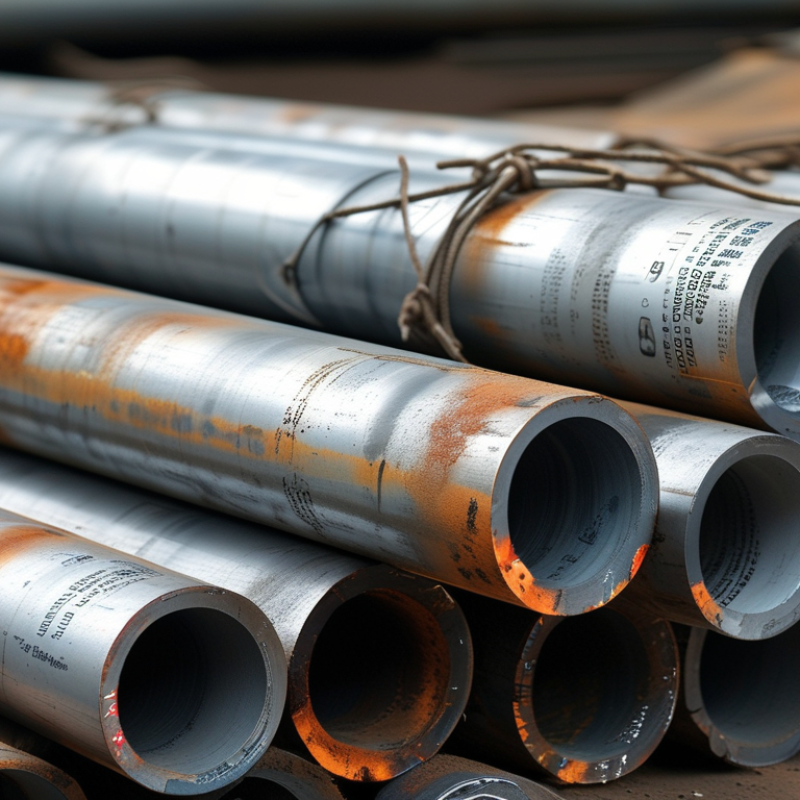
Define Your Carbon Seamless Pipe Requirements
Define your carbon seamless pipe requirements before comparing manufacturers. State the outside diameter, wall thickness, length, grade, and dimensional tolerance. Include service pressure, operating temperature, fluid type, and corrosion exposure. A pipe for boiler water differs greatly from one carrying high-pressure oil. World Steel Association reported 1,888.2 million tonnes of crude steel production in 2023. This huge output does not mean every mill can control seamless pipe quality equally.
Tip: Build a clear technical sheet. Mention applicable standards, such as ASTM, ASME, API, or EN requirements. Specify heat treatment, hydrostatic testing, ultrasonic testing, and surface limits. Request a sample Mill Test Certificate before placing an order. It should show the heat number, chemical composition, tensile results, yield strength, and impact performance. The details matter.
Tip: Define inspection evidence, not only test names. Ask whether inspectors can trace each pipe to its billet and production batch. Require calibration records for testing equipment and independent inspection when risk is high. ISO 9001 certification supports process control, but it does not replace product testing. A common mistake is accepting “fully tested” without defining the test method or acceptance criteria. That wording is too loose. Reconsider it.
For practical sourcing, prepare a dimensional drawing and a short operating profile. Include connection type, delivery length, coating needs, packaging, and required documents. Leave no important assumption in an email thread. Even experienced buyers miss small details, especially when metric and imperial measurements appear together. Clear requirements help manufacturers quote accurately and reveal whether their production experience truly matches your application.

Verify Manufacturer Experience and Production Capabilities
A reliable carbon seamless pipe manufacturer should offer more than polished photographs and broad claims.
Ask how long the factory has produced seamless pipe, not simply how long the company has existed. Experience matters when handling difficult wall thicknesses, tight tolerances, and urgent orders. Request recent project records, production photographs, and customer references from comparable industries. Experienced engineers should explain material selection, heat treatment, and inspection methods in clear language.
Examine the production line closely.
Does it include piercing, rolling, heat treatment, and non-destructive testing equipment? Ask how workers control outside diameter, wall thickness, straightness, and surface defects. Verify whether testing instruments are regularly calibrated. Batch numbers should connect raw materials with inspection reports and shipment records. A factory visit can reveal more than a sales presentation. Small details matter.
No manufacturer is perfect, and a long history does not guarantee current consistency.
That is easy to overlook. Ask how the factory handles rejected lots, delayed orders, and corrective actions. Honest answers may include capacity limits or technical restrictions. Those answers can build trust. If the manufacturer avoids specific evidence, reconsider the purchase. I would also compare recent samples, because an old success story may not reflect today’s equipment, staff, or quality controls.
Evaluate Material Quality, Standards, and Testing Procedures
Choosing a carbon seamless pipe manufacturer requires more than comparing prices. Material quality should be verified from the start. Ask for the steel grade, chemical composition, heat number, and production route. A reliable manufacturer can provide mill certificates linked to each pipe bundle. Traceability matters.
Check whether the manufacturer follows recognized standards, such as ASTM, ASME, EN, or API requirements relevant to your project. The correct standard depends on pressure, temperature, dimensions, and service conditions. Do not accept a general compliance statement. Request the exact edition and applicable clauses. Small details can change acceptance criteria.
Testing procedures reveal how seriously a supplier controls quality. Review tensile, hardness, hydrostatic, ultrasonic, and dimensional inspection records when required. Test equipment should be calibrated, and results should identify the operator, date, sample, and acceptance limit. Independent inspection can add confidence for critical orders. Still, paperwork is not everything. A clean certificate alone cannot prove consistent production.
Ask to see sample reports and clarify how nonconforming pipes are isolated. Experienced manufacturers usually explain this process clearly, even when problems occur. During a factory visit, observe storage areas, pipe markings, and handling practices. Rust, mixed heat numbers, or damaged ends are warning signs. I would not ignore them.
Some buyers focus too heavily on laboratory results. That is a mistake. Manufacturing controls, staff experience, and honest communication matter equally. A manufacturer that welcomes technical questions is often easier to trust.
Compare Certifications, Customization Options, and Lead Times
7 Tips for Choosing a Carbon Seamless Pipe Manufacturer
Tip 1: Verify active quality certifications, not copied certificates. Ask for certificate numbers, issuing bodies, and renewal dates. ISO 9001 can show process control, but it does not replace product testing.
Tip 2: Check whether the manufacturer follows the required pipe standards. Request sample mill test reports, chemical analysis, tensile results, and hydrostatic test records. In procurement reviews, traceability often reveals more than a polished brochure. Records may contain small errors, so review them carefully.
Tip 3: Define your customization needs early. Confirm outside diameter, wall thickness, length, steel grade, and end preparation. Tip 4: Ask about heat treatment and non-destructive testing options. These details affect performance and inspection costs.
Tip 5: Request a clear drawing approval process. A reliable manufacturer should explain tolerances, packaging, marking, and inspection points before production. Vague answers can create expensive revisions. Tip 6: Compare realistic lead times, including material sourcing, production, testing, and shipping. A short promise is not always a useful promise. Ask what happens if raw materials arrive late.
Tip 7: Measure communication quality during the quotation stage. Do technical staff answer specific questions with evidence? Can they provide a production schedule and progress updates? One overlooked issue is time-zone delay, which can slow approvals. A practical supplier admits limitations and proposes workable alternatives. Reliability is built through documented details, not confident language.
7 Tips for Choosing a Carbon Seamless Pipe Manufacturer
Compare certifications, customization options, and lead times by first checking whether the manufacturer can consistently supply pipe that meets the required international standards. The chart shows minimum specified tensile and yield strengths for commonly used carbon steel pipe standards.
Values are minimum specified mechanical properties in MPa. Confirm the applicable standard edition, grade, dimensions, testing requirements, customization scope, production schedule, and inspection documentation before placing an order.
Review Pricing, Service Support, and Long-Term Reliability
7 Tips for Choosing a Carbon Seamless Pipe Manufacturer
Review Pricing, Service Support, and Long-Term Reliability
When selecting a carbon seamless pipe manufacturer, price deserves careful examination, not automatic approval. A low quotation may exclude heat treatment, inspection reports, packaging, or testing. Request an itemized offer showing pipe grade, dimensions, tolerances, quantity, and delivery terms. Compare total cost, not only the price per meter. I have seen a cheap order become expensive after replacements and schedule delays. That mistake is easy to repeat.
Service support becomes visible when specifications change or a shipment needs clarification. Ask who handles technical questions, how quickly they respond, and whether records remain traceable. A reliable supplier should provide mill certificates, test results, and clear nonconformance procedures. Samples of inspection documents can reveal more than polished promises. Still, responsiveness is not proof of technical competence. Check qualifications, production controls, and independent inspection options when project risk is high.
Long-term reliability depends on consistent quality, realistic capacity, and honest communication. Review delivery history, repeat-order performance, and evidence of corrective actions. Ask how the manufacturer manages raw material changes, equipment maintenance, and dimensional variation. Do not accept vague answers. Check the records. A factory may pass one inspection and fail later. Use a written quality agreement with acceptance criteria, reporting duties, and escalation contacts. I would also verify references from comparable projects, although references can be selective. This is where judgment matters more than a perfect checklist.
Article Source:
Get in touch with us,
We will contact you shortly!
What is the difference between Unline(Non-Epoxy Coated) or Lining(Epoxy Coated) Metal Drum?

Unline drums with internally bare metal surface is more susceptible to corrosion and rust while Lining drums are internally coated with Phenolic Epoxy Coating to provide a non-reactive barrier between the drum surface and your product, less risk of contamination. Note: Our Unline drums are coated with an anti-rust agent after washing to reduce risk of rust.
What are Unline(Non-Epoxy Coated) and Lining(Epoxy Coated) drums compatible with?

In Singapore, Recon Unline Drums are usually more costly than Recon Lining Drums. Hence, we recommend Recon Unline Drums to fill aromatics like Thinner, Xylene, Toulene& other solvents like Hexane, BA, CA, EA, MC, White spirit, etc.
We recommend the lower-priced Recon Lining Drums to fill hydrocarbons like IPA, Methanol, Ethanoland oil-based products like diesel, petrol, lubricants, engine, hydraulic, base, transmission fluid, additives, waste oil, etc.;
What is the difference between Grade A and Grade B Metal Drum ?

Grading of used drums are usually based on physical conditions like rustiness, deformities and residual contents. Grade A drums are totally free from internal rust, serious dents and are easy to clean. Grade B drums have different degrees of rust internally and aesthetically inferior compared to Grade A drums.
What content is suitable to fill in a Recon Grade A or Grade B Drum?

Recon Grade A drum is suitable to fill more costly virgin grade products while Recon Grade B drum is more suitable for recycled or waste products.
What is the difference between Open Top and Close Top Drums and their usage?

Closed top drums are for water and other liquid products. Open Top drums can be used for liquid too but are primarily for more viscous products. The Open Top (or open head with a lid) allows you to get in and out of the drum with your product easier.
What type of content are Metal or Plastic Drums suitable for?

Metal drums offer additional protection when dealing with potentially flammable substances. They provide superior fire resistance, impact protection, and longevity for storing class 1, 2, and 3 volatile chemicals.
Plastic HDPE Drums are suitable for corrosive chemicals like acids, alkaline and also water-based products.
Will there be any contamination in the reconditioned metal, plastic drums or IBC tanks?

All our reconditioned containers (metal/plastic drums, carboys, IBC tanks) are washed thoroughly with specially formulated cleaning agent, rinsed with clean water, dried, and tested for possible leakages during the recondition process. Stringent quality inspection is being conducted 100% on every reconditioned product before they are qualified for sale & delivery.
What is the drum gauge(thickness) and weight for reconditioned metal drums?

Reconditioned metal drums gauge can be 0.9mm to 1.0mm all round. Their weight can vary from 16 to 18kg.
Do you sell New Packaging Products too?

Yes, we are also a distributor for new pallets, metal drums, plastic drums, carboys, IBCs and stainless-steel tanks.
What additional services do you provide apart from selling reconditioned and new containers.?

We are an NEA licensed toxic industrial waste collector, who can collect and dispose of used toxic waste containers in Singapore.
Do you offer labelling and silkscreen on the containers ?

We can provide labelling and silk-screening on the containers.
Are you able to ship overseas ?

Yes, we can arrange export our products to any country in the world.
Leading the Way
to Carbon Neutrality