
How to Choose a Stable Balance Bike for Kids?
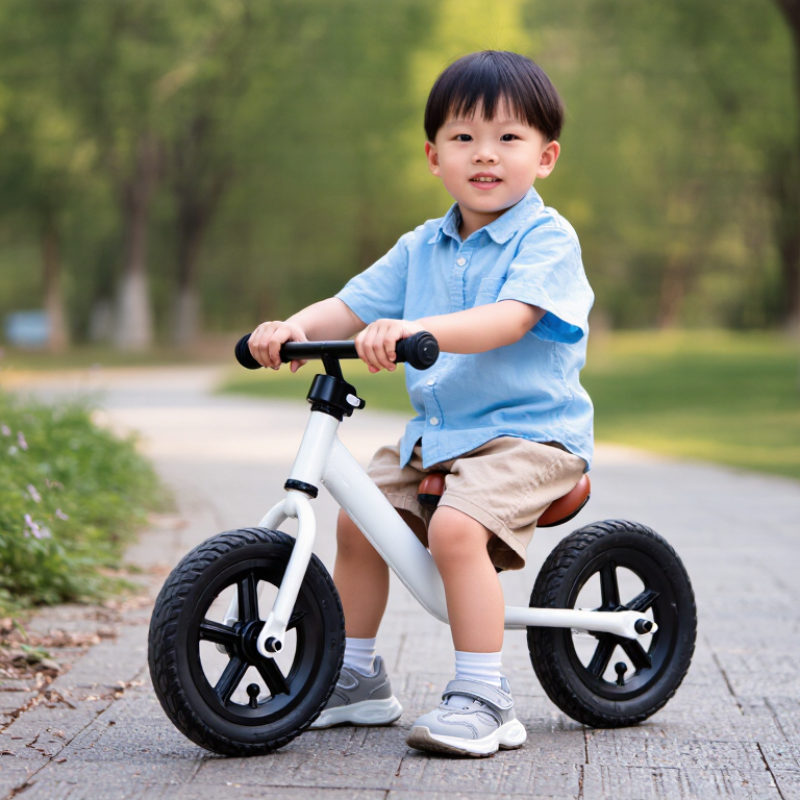
Choosing a Stable Balance Bike is less about bright colors than about fit, control, and a child’s confidence. On a quiet path, notice how the bike responds when a child walks it forward, turns the handlebar, or places both feet on the ground. A stable design should feel manageable, not heavy or awkward. Small details matter. A low step-through frame, grippy tires, and a comfortable saddle can make practice feel less intimidating.
Cycling engineer Isla Rowntree, founder of Islabikes, has emphasized that children’s bikes should be designed around children’s proportions and abilities. That principle is useful here: check whether your child can sit comfortably, hold the grips without stretching, and plant both feet firmly. Then inspect the frame, steering, brakes, and fasteners; smooth movement and secure fittings are worth more than a long feature list. A bike that looks sturdy in a product photo may still be too large in a child’s hands.
Fit changes as children grow. It can be easy to overlook that. Measure your child’s inseam and compare it with the maker’s sizing guidance, then let the child try the bike when possible. Don’t assume the heaviest model is the safest or the most stable. This choice is not perfectly tidy: children differ in balance, reach, and confidence. The right bike supports steady practice without forcing a child to stretch, tiptoe, or fight the steering.
What Features Make a Balance Bike Stable?
A stable balance bike should feel planted when a child walks it, turns, and stops. Look for a low frame, a broad wheel stance, and tires that grip the ground without feeling sluggish. A low seat matters, too: the child should sit with both feet flat and knees slightly bent. That gives them a practical way to steady the bike. Small details matter. Check that the handlebar turns smoothly, grips stay secure, and the child can reach the controls without leaning forward. Not just tire width.
Fit is personal, so have the child try the bike on a level, clear surface. Watch whether their feet touch down easily and whether the bike tips during slow turns. NHTSA’s 2022 Traffic Safety Facts: Bicyclists and Other Cyclists recorded 1,105 bicyclist deaths in the United States. That figure covers cyclists of all ages and does not isolate balance bikes or prove that a particular feature prevents injury. It is broader context, not a product test. A slightly imperfect fit can be easy to overlook; recheck seat height as the child grows, and inspect tire pressure and wheel security regularly.



Get in touch with us,
We will contact you shortly!
What is the difference between Unline(Non-Epoxy Coated) or Lining(Epoxy Coated) Metal Drum?

What are Unline(Non-Epoxy Coated) and Lining(Epoxy Coated) drums compatible with?
What is the difference between Grade A and Grade B Metal Drum ?
What content is suitable to fill in a Recon Grade A or Grade B Drum?
What is the difference between Open Top and Close Top Drums and their usage?
What type of content are Metal or Plastic Drums suitable for?
Will there be any contamination in the reconditioned metal, plastic drums or IBC tanks?
What is the drum gauge(thickness) and weight for reconditioned metal drums?
Do you sell New Packaging Products too?
What additional services do you provide apart from selling reconditioned and new containers.?
Do you offer labelling and silkscreen on the containers ?
Are you able to ship overseas ?
Leading the Way
to Carbon Neutrality