
How to Choose the Right Full Engine for Your Vehicle?

Choosing the right Full Engine is more than matching displacement and cylinder count. It is a decision about fit, reliability, performance, and future maintenance.

Smokey Yunick, the legendary American engine builder, once said, “It’s not how much power you make, but how much power you can use.” That principle still matters when selecting a replacement engine. A powerful unit may appear attractive, yet it can create compatibility problems. Check the vehicle’s VIN, model year, engine code, transmission type, and emissions configuration. A three-character code can prevent an expensive mistake.

Start with the engine’s actual condition. Ask for compression-test results, mileage records, oil-pressure readings, and clear photographs of the block and cylinder heads. Look closely for cracked mounting points, damaged threads, heavy sludge, or fresh paint hiding leaks. Ask whether the Full Engine includes the intake manifold, injectors, alternator, sensors, starter, and wiring harness. These details affect installation time and total cost.

Warranty terms deserve equal attention. Confirm the coverage period, labor limits, return procedure, and requirements for replacing related parts. A supplier may require new filters, fluids, timing components, or a professional installation. Read the fine print. Carefully.

A remanufactured engine can offer measured tolerances and renewed internal parts. A used engine may cost less, but its history could be incomplete. Neither choice is automatically perfect. I have learned that the cheapest option often becomes expensive when small uncertainties accumulate. Choose the unit that matches your vehicle, driving conditions, repair skills, and long-term expectations. Reliability should feel predictable, not hopeful.
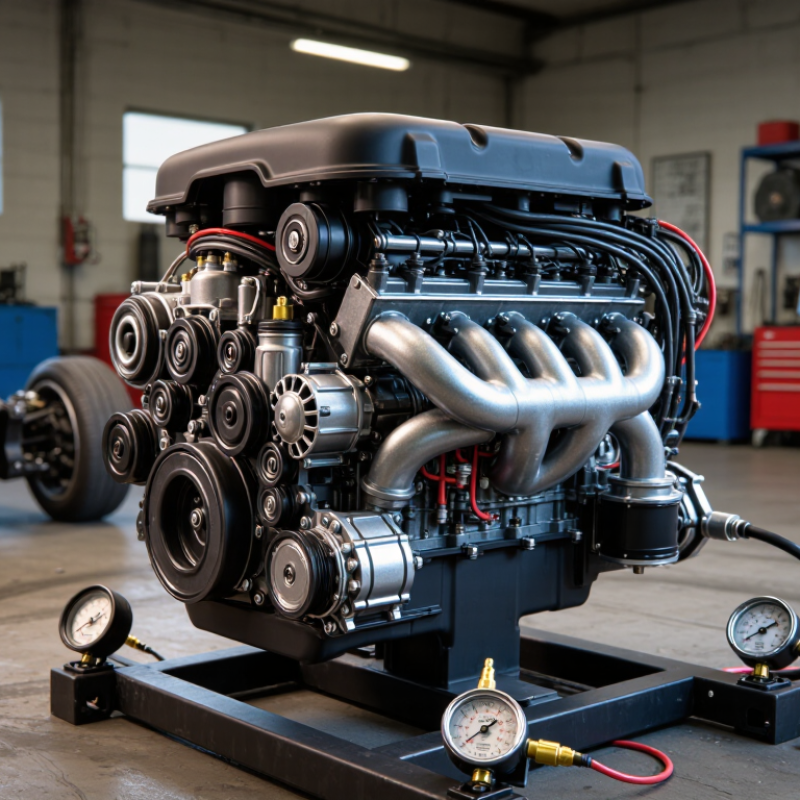
How to Choose the Right Full Engine for Your Vehicle?

Identify Your Vehicle’s Engine Specifications and Compatibility

How to Choose the Right Full Engine for Your Vehicle?

Identify Your Vehicle’s Engine Specifications and Compatibility

Choosing a full engine begins with accurate identification, not appearance. Record the vehicle identification number, model year, engine code, displacement, fuel type, and transmission. The National Highway Traffic Safety Administration confirms that a VIN contains 17 characters and identifies key vehicle details. Use it to verify the original configuration.

Check cylinder arrangement, mounting points, sensor locations, wiring, and emissions equipment. A replacement engine may fit physically but still fail electronically. Compare the engine code with service records and the vehicle manufacturer’s technical documentation. The 2024 S&P Global Mobility report places the average U.S. vehicle age at 12.6 years. Older vehicles often have undocumented repairs, making inspection more important.

Ask for compression readings, mileage evidence, and a cold-start video when buying remotely. Review oil pressure results if available. Confirm whether the assembly includes the intake, injectors, alternator, starter, and control modules. “Complete” can mean different things. That wording causes expensive surprises.

I would also compare regional emissions requirements before ordering. A similar engine may use different calibration software or exhaust hardware. I once underestimated connector differences; the engine looked identical, but the harness did not match. That mistake is easy to repeat. Pause and verify every code. A small mismatch can create weeks of troubleshooting.


Choose Between New, Rebuilt, Used, and Remanufactured Engines

How to Choose the Right Full Engine for Your Vehicle?

Choosing between a new, rebuilt, used, and remanufactured engine depends on your vehicle, budget, and repair goals. A new engine usually offers the most predictable performance, but it can cost more than the vehicle is worth. A rebuilt engine reuses suitable parts after cleaning, measuring, and replacing worn components. Its quality depends heavily on the machine shop’s processes and documentation. Ask for machining records, compression results, and a clear warranty.

A used engine may be affordable and practical when it includes verified mileage and service history. However, its internal condition can remain uncertain. A remanufactured engine is rebuilt to tested specifications, often with renewed major components. It can provide a useful balance between cost and reliability. Match the engine using the VIN, engine code, emissions requirements, transmission type, and computer compatibility. A small mismatch can create expensive installation problems. No option is perfect.

Tips: Have a qualified technician inspect the replacement before installation. Check the warranty length, covered labor, return conditions, and required maintenance. Compare total cost, not only the purchase price. Include fluids, seals, shipping, programming, and installation time. A low quote may look attractive. It may not remain low. Keep every invoice and test report for future service decisions.

Compare Engine Condition, Warranty, Mileage, and Expected Lifespan

Choosing the right full engine requires more than finding the lowest price. Engine condition should be your first concern. Ask for compression test results, leak-down readings, oil-pressure data, and clear photographs. A clean exterior means little if the cylinders show wear. Service records are valuable evidence. Without them, the engine’s history remains uncertain.

Mileage matters, but it can mislead. A well-maintained engine with 120,000 miles may outperform a neglected unit with 70,000 miles. Check where the engine came from and how it was used. Long highway trips usually create less stress than repeated short journeys. I once trusted a low-mileage engine without checking its storage history. That decision cost extra time and labor. It was an avoidable mistake.

Read the warranty carefully. Confirm its length, covered parts, labor limits, return process, and installation requirements. Some warranties exclude overheating, poor maintenance, or incorrect installation. Ask whether the engine is tested before delivery. A written inspection report improves accountability. Expected lifespan depends on design, maintenance, cooling performance, oil quality, and driving habits. No honest seller can promise an exact number. Think in ranges, not guarantees. Also budget for seals, filters, fluids, and possible accessory replacement. The cheapest complete engine may become expensive after installation. A qualified mechanic’s inspection can reveal risks that online photos cannot.

How to Choose the Right Full Engine for Your Vehicle? — Compare Engine Condition, Warranty, Mileage, and Expected Lifespan

Engine Option Typical Condition Common Mileage at Sale Expected Remaining Lifespan Typical Warranty Main Advantages Key Checks Before Purchase
New or Factory-Rebuilt Engine Excellent
New internal parts or professionally remanufactured to specified tolerances.
0–1,000 miles after installation Approximately 100,000–200,000 miles when correctly installed, maintained, and not abused. Typically 12–36 months or a specified mileage limit; confirm whether parts and labor are covered. Lowest internal-wear risk, predictable specifications, and the strongest long-term option. Confirm rebuild documentation, included components, installation requirements, and warranty exclusions.
Low-Mileage Used Engine Good
Used engine removed from a vehicle with documented service or operating history.
Usually below 60,000 miles Approximately 60,000–140,000 additional miles, depending on maintenance, storage, and prior use. Commonly 30–90 days; some sellers offer longer limited coverage. Lower purchase cost than a rebuilt unit while retaining substantial service potential. Request compression or leak-down results, oil-pressure readings, donor mileage, and a start-up test when possible.
Average-Mileage Used Engine Moderate
Operational used unit with normal wear and an incomplete or limited service history.
Approximately 60,000–120,000 miles Approximately 40,000–100,000 additional miles, highly dependent on previous maintenance. Often 30–90 days with limited parts-only coverage. Balanced upfront cost and availability for older vehicles or budget repairs. Inspect sludge, leaks, timing components, cooling passages, emissions equipment, and signs of overheating.
High-Mileage Used Engine Higher Risk
Serviceable unit with significant accumulated wear and a shorter predictable service horizon.
More than 120,000 miles Approximately 20,000–70,000 additional miles; actual life can vary considerably. Often 30 days or less; coverage may exclude labor and wear-related failures. Lowest initial purchase price and may be suitable for short-term use. Require thorough testing for compression, oil consumption, bearing noise, overheating, and excessive blow-by.
Long-Block Assembly Good to Excellent
Usually includes the engine block, cylinder head, crankshaft, pistons, and valve-train components; external parts may be excluded.
Newly rebuilt or replacement assembly; mileage may not apply. Approximately 100,000–200,000 miles when properly assembled and maintained. Commonly 12–36 months, subject to installation and component-transfer conditions. Replaces major internal components while allowing reuse of compatible external accessories. Check exactly what is included, required machine work, gasket requirements, and compatibility with existing accessories.
Short-Block Assembly Depends on Components
Usually includes the block, crankshaft, pistons, and connecting rods; cylinder heads are normally reused or purchased separately.
Newly rebuilt or replacement assembly; mileage may not apply. Approximately 80,000–180,000 miles, assuming the cylinder heads and reused parts are in suitable condition. Commonly 12–36 months for covered components. Useful when the cylinder heads and external parts can be inspected and reused economically. Test cylinder heads, inspect valvetrain parts, verify compression, and budget for gaskets, seals, and labor.

Mileage and lifespan figures are practical industry ranges rather than guarantees. Actual results depend on engine design, prior maintenance, installation quality, oil and coolant service, driving conditions, load, climate, and compliance with the vehicle manufacturer’s maintenance schedule.

Verify Installation Requirements, Emissions Standards, and Legal Compliance

Choosing the right full engine starts with the vehicle’s installation requirements, not only its advertised power. Check engine dimensions, mounting points, transmission compatibility, wiring, cooling connections, and exhaust routing. A small mismatch can create expensive delays. Measure twice.

Review the vehicle’s service data and the replacement engine’s technical specifications before purchase. Confirm sensor locations, fuel-system connections, control-unit compatibility, and required calibration. During workshop inspections, I have seen engines fit physically but fail because the wiring harness or software was unsuitable. That detail is easy to miss. Ask a qualified technician to compare every connection and mounting point.

Emissions compliance deserves equal attention. The engine must meet the standards that apply in your registration area and model year. Check certification documents, emissions equipment, diagnostic functions, and noise limits. Removing or disabling emissions components can make the vehicle fail inspection and may create serious legal problems. Requirements differ between regions, so verify them with the local transport authority or an approved inspection center. Keep invoices, specifications, and installation records for future inspections. A used engine may appear identical, yet its emissions configuration could be different. This is where careful research matters.

Evaluate Total Costs, Supplier Reliability, and Professional Support

Choosing a full engine requires more than matching displacement and mounting points. In workshop inspections, I compare the quoted price with every required cost. Freight, fluids, sensors, belts, seals, programming, and labor can change the final figure quickly. A low purchase price may hide missing accessories or uncertain testing. Ask for a written specification, compression results, mileage evidence, and a clear warranty process. Keep photos and serial details in your records. These small checks make later conversations less uncertain.

Supplier reliability matters when the vehicle is already unavailable. Look for traceable business information, responsive technical staff, and consistent answers. An experienced supplier should explain compatibility limits, installation requirements, and likely follow-up needs. Professional support is not just polite messaging. It includes accurate manuals, troubleshooting guidance, parts availability, and escalation when an engine fails inspection. Ask who handles claims and how quickly they respond. I have seen delays grow when responsibility was unclear. That risk deserves a price.

Tips: Request two itemized quotes. Use an independent mechanic to verify fitment before payment. Compare the total cost over twelve months, not only today’s invoice. Check warranty exclusions carefully. Ask for delivery updates in writing. I would not ignore a vague answer, even when the price looks attractive. Sometimes, I still underestimate installation time. That is worth admitting before choosing.

Get in touch with us,
We will contact you shortly!

Get in touch with us by filling up the enquiry form. We will contact you shortly!

    What is the difference between Unline(Non-Epoxy Coated) or Lining(Epoxy Coated) Metal Drum?

    What are Unline(Non-Epoxy Coated) and Lining(Epoxy Coated) drums compatible with?

    What is the difference between Grade A and Grade B Metal Drum ?

    What content is suitable to fill in a Recon Grade A or Grade B Drum?

    What is the difference between Open Top and Close Top Drums and their usage?

    What type of content are Metal or Plastic Drums suitable for?

    Will there be any contamination in the reconditioned metal, plastic drums or IBC tanks?

    What is the drum gauge(thickness) and weight for reconditioned metal drums?

    Do you sell New Packaging Products too?

    What additional services do you provide apart from selling reconditioned and new containers.?

    Do you offer labelling and silkscreen on the containers ?

    Are you able to ship overseas ?

    Leading the Way
    to Carbon Neutrality

    Drumming sustainability into every aspect of our operations, we strive to create a greener and more conscious future for generations to come.
    Contact Us
    WhatsApp
    Email
    Join Our Newsletter

    Sign up for our newsletter for exclusive discounts and latest news of new launches!

      Logo Logo Logo Logo Logo
      Scroll to Top