
10 Essential Tips for Choosing Pneumatic Actuator Parts

Selecting the right Pneumatic Actuator Parts is a practical engineering decision, not a simple catalog exercise. A cylinder may look suitable on paper, yet leak under dust, stall during cold starts, or wear quickly after repeated impacts. Small choices matter. Seal material, mounting style, rod diameter, valve compatibility, and operating pressure can change equipment reliability.

Recent market analyses from Grand View Research and MarketsandMarkets identify factory automation, packaging, and process industries as major drivers of pneumatic actuator demand. These reports also highlight growing attention to energy efficiency, predictive maintenance, and compact equipment design. However, market growth does not guarantee correct component selection. The same actuator part may perform well in a clean packaging line but fail in a humid workshop. Context decides performance.

This guide presents ten essential tips for evaluating Pneumatic Actuator Parts with greater confidence. It considers load calculations, cycle frequency, air quality, environmental exposure, safety margins, and supplier documentation. ISO 4414 provides useful principles for pneumatic system safety, while ISO 15552 and ISO 6432 support dimensional consistency for common cylinder designs. Still, standards cannot replace field experience. A calculation may be correct, but the real machine may vibrate more than expected. That is where engineers must pause, inspect, and question assumptions. Even experienced teams sometimes choose parts too quickly. Careful testing, traceable specifications, and honest maintenance feedback create more dependable results.
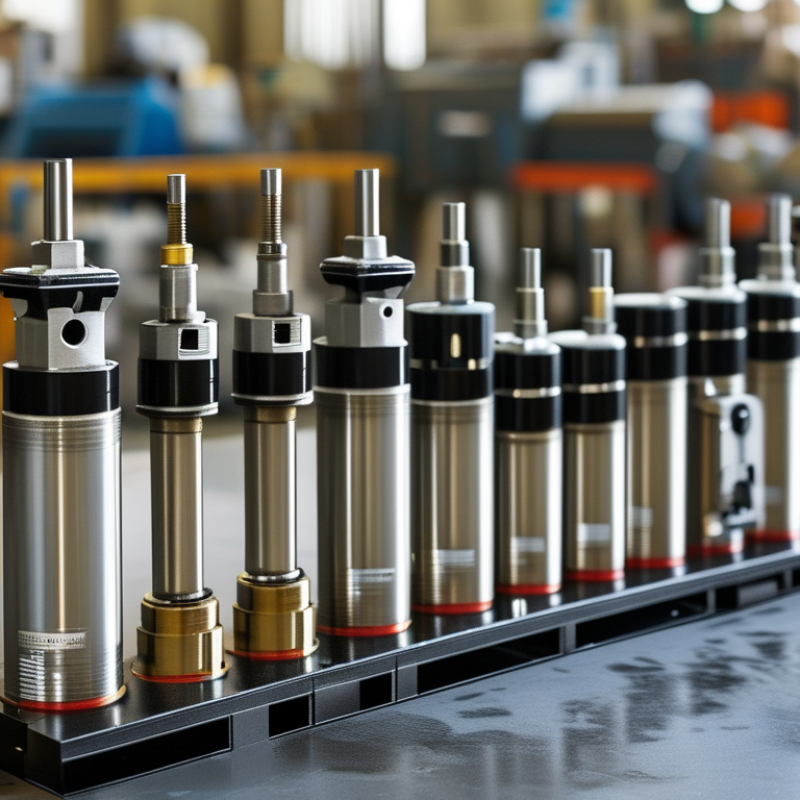
10 Essential Tips for Choosing Pneumatic Actuator Parts

Define the Application and Actuator Operating Requirements

Choosing pneumatic actuator parts starts with a clear definition of the application. Describe the valve, movement, load, and available installation space. Measure twice. Record required torque across the full stroke, not only at startup. Breakaway torque can exceed running torque after downtime or residue exposure. Add a sensible safety margin, but avoid excessive sizing. An oversized actuator may cycle poorly and waste compressed air.

Operating requirements should include air pressure, cycle frequency, response time, and permitted temperature range. Check whether the system needs spring return or double-acting control. Identify the safe position during pressure loss. This decision affects construction, spring selection, solenoid sizing, and manual override needs. Small details matter. Inspect the air supply honestly. Moisture, oil, and unstable pressure can shorten service life. Specify filtration and drainage before selecting seals or internal materials. In dusty, wet, or corrosive locations, verify enclosure protection and material compatibility. I have seen projects fail because “normal” conditions described a clean workshop, not the installed site. That assumption deserves challenge. Document every requirement and test the assembly under realistic loads. A bench test may look perfect, while field behavior differs.


Match Actuator Parts with Pressure, Load, and Motion Specifications

10 Essential Tips for Choosing Pneumatic Actuator Parts

Pneumatic actuator parts should match the machine, not a catalog image. Start with working pressure, peak pressure, and air quality. ISO 4414 requires pneumatic systems to manage pressure safely and control stored energy. The U.S. Department of Energy reports that leaks can waste 20% to 30% of compressor output in poorly maintained plants. That loss affects actuator speed and force. Select seals, tubing, fittings, and regulators for real pressure conditions. Ideal readings can mislead.

Calculate force with F = P × A, then allow capacity for friction, acceleration, and misalignment. A 6-bar supply does not always deliver 6 bar at the piston. For a vertical load, check rod strength and mounting stress. A small error can bend a rod. ISO 8573-1 classifies compressed-air particles, water, and oil, so filters must match the required cleanliness level. I have sometimes focused too much on cylinder force. Air contamination deserved more attention.

Motion specifications need equal care. Match stroke length, cycle rate, speed, cushioning, and sensor position. Use flow controls near the actuator when response consistency matters. The DOE sourcebook also identifies compressed air as roughly 10% of industrial electricity use in many facilities. Efficient sizing reduces both waste and heat. Still, oversized actuators can create harsh impacts. Test the complete assembly under cold starts, peak loads, and repeated cycles before approving the final parts.

Evaluate Material Compatibility and Environmental Resistance

Choosing Pneumatic Actuator Parts: Evaluate Material Compatibility and Environmental Resistance

When selecting pneumatic actuator parts, material compatibility should guide every decision. Air, moisture, cleaning fluids, and process chemicals can attack seals, tubes, and fittings. A part that works in a dry workshop may fail beside a washdown line. Check the seal compound against pressure, temperature, lubricants, and chemical exposure. Do not rely on appearance alone. Small swelling matters.

In field inspections, hardened seals often reveal a mismatch before the actuator stops completely. Stainless steel resists corrosion, but it is not automatically suitable for every environment. Aluminum can reduce weight, while coated surfaces may need protection from scratches and trapped moisture. For outdoor equipment, assess ultraviolet exposure, rain, dust, and temperature cycling. Condensation inside an air line can freeze and damage moving components.

Match material data with actual operating conditions, not ideal catalog values. Request compatibility charts, temperature limits, and test evidence from qualified suppliers. Then compare those claims with maintenance records and site observations. A brief trial can expose swelling, cracking, or slow response. I have seen teams overlook occasional solvent contact because it seemed harmless. That assumption was wrong. Keep a small margin for uncertainty, especially when chemicals change seasonally. Recheck parts after installation, because real service conditions rarely stay perfect.

Verify Dimensions, Connections, Seals, and Installation Standards

Choosing pneumatic actuator parts starts with accurate measurements, not visual matching. Verify bore, stroke, shaft diameter, keyway, and mounting-hole spacing with calibrated tools. A two-millimeter mismatch can create uneven torque or premature wear. Measure twice. Check the actuator’s air-port size and thread type as well. NPT, BSP, and metric threads are not interchangeable without proper verification.

Connection details must match the valve, tubing, fittings, and control equipment. Inspect the port depth and sealing method before tightening anything. Excessive torque may crack a housing or distort a seal. Seals deserve equal attention. Select materials according to air quality, temperature, moisture, lubricant, and chemical exposure. NBR may suit common applications, while EPDM or FKM may perform better in different environments. Compatibility charts help, but real operating conditions can be less predictable.

Installation should follow the actuator maker’s instructions and applicable ISO, national, or site standards. Confirm the mounting interface, fastener grade, alignment, rotation direction, and recommended torque. Keep the shaft clean and avoid forcing parts into position. A low-pressure leak test can reveal a damaged seal before full operation. During field inspections, I have found that technicians often check dimensions but overlook thread pitch. That small omission can delay commissioning. A checklist is useful, though it is not perfect. Record measured values, seal material, test pressure, and installation date for reliable maintenance decisions.

Compare Reliability, Maintenance Needs, and Total Ownership Cost

10 Essential Tips for Choosing Pneumatic Actuator Parts

Compare Reliability, Maintenance Needs, and Total Ownership Cost

Reliability starts with correct sizing, not the lowest purchase price. Check operating pressure, stroke length, speed, load, and cycle frequency. Match seals and body materials to temperature, moisture, dust, and cleaning chemicals. Review test data, rated cycles, and safety margins before ordering. Ask for traceable material records and clear tolerance information. These details often reveal whether a part will perform consistently.

Maintenance needs deserve equal attention. Choose accessible seals, standard fittings, and replaceable wear components. Inspect lubrication requirements carefully; some parts need frequent oiling, while others should remain oil-free. I once selected a cheaper actuator part that fitted perfectly but required awkward removal. The downtime cost more than the original saving. Keep spare seals and mounting hardware in a labeled cabinet. Simple access matters.

Total ownership cost includes energy use, labor, replacement parts, downtime, and disposal. Compare expected service life, not only the invoice price. A reliable actuator may reduce emergency repairs and production interruptions. However, service-life estimates can be optimistic. Challenge them with your actual cycle count and environment. Record failures, repair hours, and air consumption after installation. Those records provide stronger evidence than sales claims when selecting the next part.

Get in touch with us,
We will contact you shortly!

Get in touch with us by filling up the enquiry form. We will contact you shortly!

    What is the difference between Unline(Non-Epoxy Coated) or Lining(Epoxy Coated) Metal Drum?

    What are Unline(Non-Epoxy Coated) and Lining(Epoxy Coated) drums compatible with?

    What is the difference between Grade A and Grade B Metal Drum ?

    What content is suitable to fill in a Recon Grade A or Grade B Drum?

    What is the difference between Open Top and Close Top Drums and their usage?

    What type of content are Metal or Plastic Drums suitable for?

    Will there be any contamination in the reconditioned metal, plastic drums or IBC tanks?

    What is the drum gauge(thickness) and weight for reconditioned metal drums?

    Do you sell New Packaging Products too?

    What additional services do you provide apart from selling reconditioned and new containers.?

    Do you offer labelling and silkscreen on the containers ?

    Are you able to ship overseas ?

    Leading the Way
    to Carbon Neutrality

    Drumming sustainability into every aspect of our operations, we strive to create a greener and more conscious future for generations to come.
    Contact Us
    WhatsApp
    Email
    Join Our Newsletter

    Sign up for our newsletter for exclusive discounts and latest news of new launches!

      Logo Logo Logo Logo Logo
      Scroll to Top