How to Use HDPE Drums for Safe and Efficient Storage Solutions?

HDPE drums are widely recognized for their durability and efficiency in storage solutions. These containers offer a reliable option for various materials, ranging from liquids to solid items. Their high-density polyethylene construction makes them resistant to corrosion and chemicals. However, proper usage is essential to maximize their benefits.

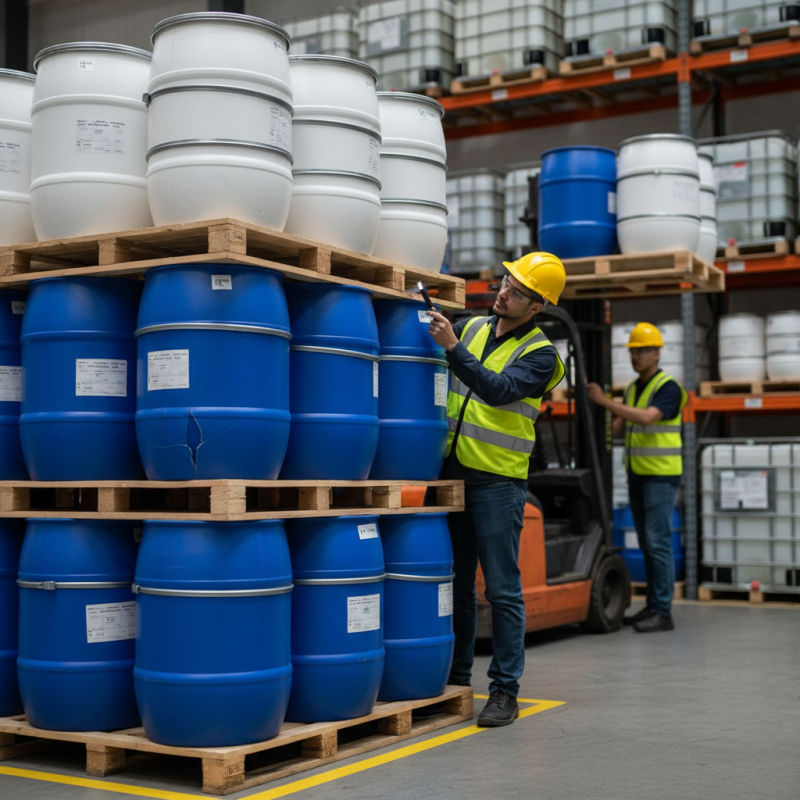
When considering HDPE drums, think about safety and accessibility. Proper sealing can prevent spills and leaks, which is crucial for hazardous materials. Additionally, stacking them can save space but comes with risks. Overloading or unstable stacking may lead to accidents.

Regular inspection of HDPE drums is necessary. Checking for cracks or wear can avert potential disasters. Remember, even the best storage solutions require diligence. Utilizing HDPE drums effectively ensures that materials remain secure and accessible.
How to Use HDPE Drums for Safe and Efficient Storage Solutions?

Benefits of Using HDPE Drums for Storage Needs

HDPE drums are becoming a popular choice for storage in various industries. Their chemical resistance is a significant advantage. According to a report by the American Institute of Chemical Engineers, HDPE can withstand harsh chemicals without breaking down. This makes them ideal for storing solvents, acids, and other corrosive materials. Many businesses rely on HDPE drums due to their durability and reliability.

Additionally, these drums are lightweight and easy to handle. A study by the International Journal of Environmental Science and Technology highlighted that HDPE's low-density properties reduce transportation costs. The sturdy construction of these drums ensures safety during handling. However, proper stacking and storage techniques are essential to prevent accidents. Some operators may overlook this.

Furthermore, HDPE drums are recyclable, enhancing sustainability practices. Recycling reduces environmental impact. A report from the Environmental Protection Agency indicates that recycling rates for HDPE have increased, making it an eco-friendly choice. While HDPE drums are beneficial, users must consider the limitations, such as temperature sensitivity. Overheating can compromise their integrity. Balancing benefits with these factors promotes better storage practices.
Choosing the Right Size and Type of HDPE Drum

When choosing the right size and type of HDPE drum, consider your storage needs carefully. HDPE drums come in various sizes, typically ranging from 5 to 55 gallons. A smaller drum is suitable for limited storage. This can prevent waste and make handling easier. On the other hand, larger drums are ideal for bulk materials. However, they can be cumbersome to move and require more space.

Next, reflect on the contents you plan to store. Some drum types are designed for specific materials. For example, a heavy-duty drum is better for industrial chemicals. A standard drum may suffice for non-reactive substances. Ensure to check compatibility to avoid any leaks or reactions. Remember, sometimes the most efficient storage solution is not the largest option. You might end up with unused space or difficulty managing full drums. Pay attention to these details to enhance safety and efficiency.

How to Use HDPE Drums for Safe and Efficient Storage Solutions? - Choosing the Right Size and Type of HDPE Drum

Drum Size (Liters) Diameter (cm) Height (cm) Max Weight (kg) Material Type
30 32 38 30 HDPE
60 36 55 60 HDPE
120 40 90 120 HDPE
200 60 90 200 HDPE

Best Practices for Storing Hazardous Materials in HDPE Drums

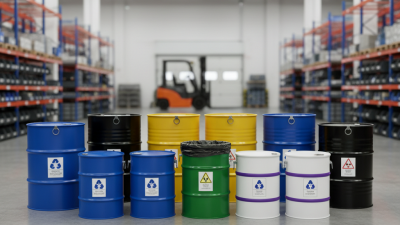
When storing hazardous materials, safety is paramount. HDPE drums are a popular choice for their durability. They resist corrosion and are lightweight, making them easy to handle. Choose the right size for your needs. Overfilled drums can lead to spills. Ensure your drums have tight-sealing lids. This minimizes the risk of leaks and evaporation.

Labeling is essential. Clear and legible labels help with identification. Include information about the contents and any hazards. Store drums in a designated area. This should be cool and dry. Avoid direct sunlight. It can weaken the drum material. Regularly check for signs of damage. Small cracks can become big problems.

Remember, not all hazardous materials require the same storage conditions. Some may need temperature control. Others must remain upright. Create a checklist for every type of material. It’s a useful tool to ensure compliance with safety protocols. Mistakes can happen. Learning from them is key to improving your storage practices.

Proper Maintenance and Inspection of HDPE Drums

Proper maintenance and inspection of HDPE drums are crucial for safe storage. Regular checks can prevent leaks and contamination. Inspect for cracks, dents, or bulges that may indicate damage. A visual inspection is typically quick and effective.


Cleaning is essential after each use. Rinse thoroughly to remove residues. Sometimes, stubborn residues may remain despite efforts. This requires specialized cleaning methods, which can be challenging. Consider using mild detergents instead of harsh chemicals.


Remember to review the storage conditions. Extreme temperatures can affect HDPE durability. Ensure drums are placed in a suitable environment. Mistakes happen, and safety should always come first. Regular training for staff on handling and inspecting these drums can reduce risks.

Techniques for Safe Transportation and Handling of HDPE Drums

How to Use HDPE Drums for Safe and Efficient Storage Solutions?

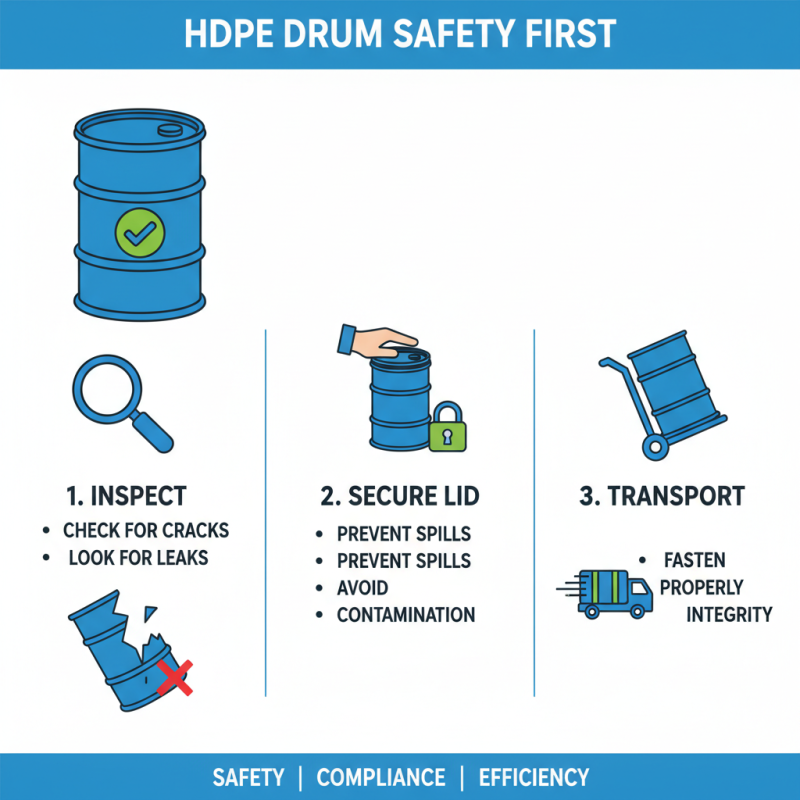
When handling HDPE drums, safety must come first. Make sure to inspect each drum before use. Look for cracks or leaks. Damaged drums can cause spills. Always secure the lids properly to prevent accidental openings during transportation. Improperly sealed drums can lead to contamination or loss of materials.

Tips: Always use gloves when handling HDPE drums. This protects against accidental cuts and leaks. Keep the area around the drums clean and organized. Clutter can lead to accidents and spills that are easily avoidable.

Transporting HDPE drums requires care. Use a pallet jack for moving multiple drums at once. This prevents strain and reduces the risk of dropping. When stacking, do not exceed two layers. Stacked drums can fall and cause injury. Make sure the load is balanced to avoid tipping.

Tips: Mark all transporting routes clearly. This helps keep everyone aware of potential hazards. Conduct regular training for staff on handling procedures. Good habits can prevent accidents and promote safety.

Get in touch with us,
We will contact you shortly!

Get in touch with us by filling up the enquiry form. We will contact you shortly!

    What is the difference between Unline(Non-Epoxy Coated) or Lining(Epoxy Coated) Metal Drum?

    What are Unline(Non-Epoxy Coated) and Lining(Epoxy Coated) drums compatible with?

    What is the difference between Grade A and Grade B Metal Drum ?

    What content is suitable to fill in a Recon Grade A or Grade B Drum?

    What is the difference between Open Top and Close Top Drums and their usage?

    What type of content are Metal or Plastic Drums suitable for?

    Will there be any contamination in the reconditioned metal, plastic drums or IBC tanks?

    What is the drum gauge(thickness) and weight for reconditioned metal drums?

    Do you sell New Packaging Products too?

    What additional services do you provide apart from selling reconditioned and new containers.?

    Do you offer labelling and silkscreen on the containers ?

    Are you able to ship overseas ?

    Leading the Way
    to Carbon Neutrality

    Drumming sustainability into every aspect of our operations, we strive to create a greener and more conscious future for generations to come.
    Contact Us
    WhatsApp
    Email
    Join Our Newsletter

    Sign up for our newsletter for exclusive discounts and latest news of new launches!

      Logo Logo Logo Logo Logo
      Scroll to Top