
How to Choose a Water Based Gel Coating Machine in 2026?

Choosing a Water-Based Gel Coating Machine in 2026 requires more than comparing prices, speed, or attractive brochures. The machine must match the gel’s viscosity, solids content, foaming tendency, and drying behavior. A thick gel may need a progressive cavity pump, while a thinner formulation may perform better with a precision gear pump. Small details matter.

Dr. Steven A. Wicks, a respected coatings scientist, has stated, “A coating must be designed for its application, not merely for its formulation.” This principle remains highly relevant. A machine that handles one water-based gel smoothly may produce streaks, bubbles, or uneven thickness with another. Laboratory trials should examine coating weight, wet-film uniformity, edge control, and cleaning time. Do not trust specifications alone.

Look closely at the doctor blade, slot die, rollers, hoses, and tank surfaces. Stainless steel construction can simplify sanitation and reduce corrosion concerns. An adjustable web speed helps when products require longer drying zones. Temperature control also matters, especially when the gel changes viscosity during production. The control system should record pressure, flow rate, speed, and drying conditions.

There is no perfect machine.

A practical evaluation should include a real substrate, the intended gel, and a production-length test. Operators should check whether the pump pulses, whether the coating dries evenly, and whether residue remains inside the lines. Energy consumption, spare-part availability, operator training, and technical support deserve equal attention. A cheaper machine can become expensive after repeated adjustment, wasted material, or uncertain quality. Some assumptions may still fail during scale-up, so careful testing remains essential before purchase.
How to Choose a Water Based Gel Coating Machine in 2026?

What Is a Water-Based Gel Coating Machine?

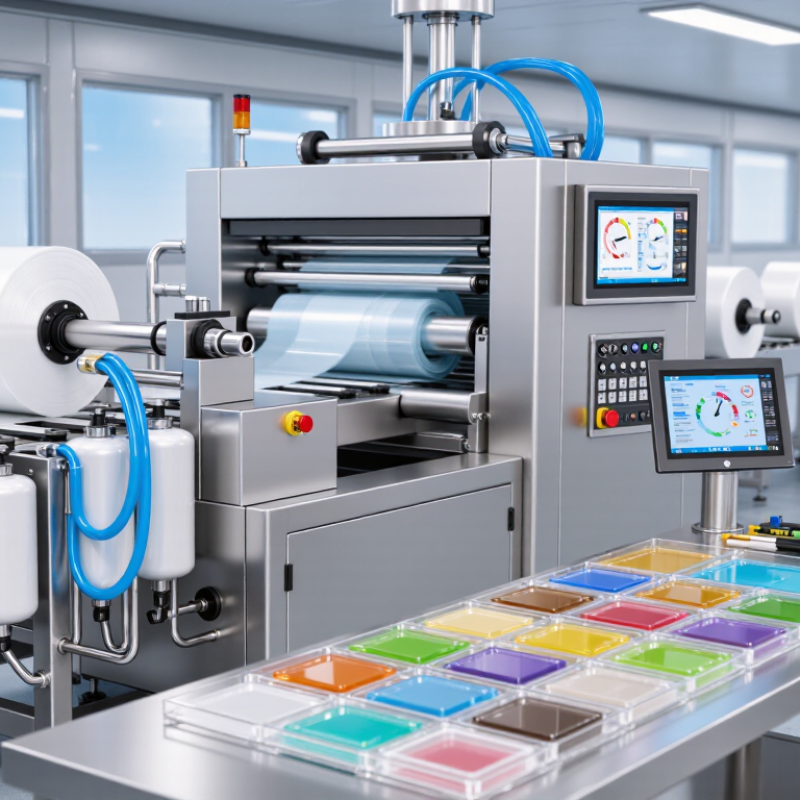
A water-based gel coating machine is equipment that meters, mixes, transfers, and applies gel coatings using water as the primary carrier. It usually combines a feed tank, agitator, pump, coating head, thickness sensor, and drying section. The machine does not simply “paint” a surface. It controls flow, temperature, shear, and drying time across the production line.

The market is expanding.
The Business Research Company’s Waterborne Coatings Global Market Report 2024 valued the market at about USD 78 billion in 2023 and projected continued growth through 2028. That trend increases demand for stable, repeatable application equipment. A useful machine should handle the coating’s viscosity without excessive shear. Gentle agitation matters because trapped foam can create pinholes and uneven gloss. Closed transfer lines also reduce contamination and material loss.

Selection should begin with real production data, not brochure speed. Measure gel viscosity at operating temperature, target coating weight, substrate width, and drying capacity. Compare those figures with the machine’s tested range. The U.S. Environmental Protection Agency’s Method 24 remains widely referenced for volatile content testing, although water-based does not mean emission-free. Some formulations still contain co-solvents. Cleaning is another practical test. Ask operators to inspect dead zones inside tanks and hoses. They often find problems engineers miss. A perfect specification rarely survives the first shift.


Which Coating Requirements Should Guide Your Machine Selection?

Selecting a water-based gel coating machine starts with the coating, not the machine catalog. Define gel viscosity, solids content, temperature range, and target coating weight. Record how the gel behaves after mixing and during storage. A formula that looks smooth at room temperature may thicken near the coating head. That detail matters. Ask for stable metering across the full production speed range.

Substrate and output requirements should shape the machine design. For narrow film, precise edge control may matter more than maximum width. For porous paper, penetration and drying time become critical. Specify wet coating weight, line speed, web width, and acceptable thickness variation. Drying needs equal attention. Water-based gels may need staged air movement instead of excessive heat. Check tunnel length, air temperature, humidity control, and energy use. A short trial with actual substrate reveals more than a brochure.

I also inspect cleaning access, pump compatibility, and changeover time. Operators should reach the coating head without awkward tools or unsafe movement. Choose pumps and hoses that tolerate the gel’s particles and viscosity. Pressure, temperature, and edge-position sensors can support repeatable results. Still, automation cannot fix poor formulation control. I have seen teams select a faster machine, then struggle with uneven layers and blocked lines. That was a costly lesson. Leave room for adjustment. Production rarely behaves like a laboratory test.

How to Compare Machine Types, Capacity, and Coating Accuracy

When choosing a water based gel coating machine in 2026, compare the coating method before comparing price.

I usually examine roller, spray, and curtain systems against the product’s shape and surface. Roller coaters suit flat panels and steady production. Spray systems handle irregular surfaces but need controlled overspray collection. Curtain coaters can cover wide panels quickly, although they require stable material flow. Each has limits.

Capacity is not only liters per hour.

Check the usable line speed, tank volume, pump output, and changeover time. A large tank may seem efficient, but slow cleaning can reduce daily production.

Ask for performance data using your actual gel viscosity and solids content. Small laboratory trials often reveal problems hidden by factory demonstrations.

Coating accuracy depends on more than machine settings.

Measure wet film thickness across the panel, including the edges. A reliable trial should record speed, pressure, temperature, and material consumption. Digital controls help, but they cannot correct poor mixing or a blocked nozzle.

Measure the wet film. I have seen operators trust a screen reading while the finished surface showed uneven gloss. That mistake is easy to repeat.

Leave room for manual inspection, especially when switching between batches or coating sensitive substrates.

What Features Improve Safety, Maintenance, and Production Efficiency?

How to Choose a Water Based Gel Coating Machine in 2026?

Safety begins with controlled exposure, not attractive specifications. Choose an enclosed coating area with local exhaust ventilation, splash guards, emergency stops, and interlocked access doors. These features protect operators from mist, wet floors, and unexpected movement. The U.S. Bureau of Labor Statistics recorded about 2.6 million nonfatal workplace injuries in private industry during 2023. A safer machine still needs documented training, inspection, and practical operator feedback.

Maintenance determines whether production remains stable. Select stainless steel fluid paths, tool-free access panels, washable filters, and automatic cleaning cycles. A clear pressure gauge helps technicians find blockages before coating quality changes. Sensors should monitor temperature, viscosity, flow, and tank level. Digital records can support traceability and preventive maintenance. Deloitte’s 2024 Smart Manufacturing Survey found that 86% of manufacturing leaders considered smart manufacturing important for competitiveness. However, connectivity alone does not repair a clogged nozzle.

Production efficiency depends on repeatability. Servo-controlled dosing, programmable spray patterns, quick-change nozzles, and recipe storage can reduce setup time and material waste. Ask for measured transfer efficiency, cleaning time, and coating thickness variation under real operating conditions. Do not trust laboratory speed alone. That assumption can fail. In my experience, a slightly slower machine with easier cleaning often delivers more usable hours each week. Review ISO 12100 risk-assessment principles and require supplier data from trials using your actual water-based gel. Insist on simple alarms. Operators notice problems faster.

How to Choose a Water Based Gel Coating Machine in 2026? - What Features Improve Safety, Maintenance, and Production Efficiency?

Evaluation Area Feature or Specification Recommended Selection Benchmark Safety, Maintenance, or Efficiency Benefit How to Verify Before Purchase Priority
Material Compatibility Water-based coating compatibility Wetted parts should be made from corrosion-resistant stainless steel, suitable engineering plastics, or other materials documented by the manufacturer for water-based coatings. Reduces corrosion, contamination, premature seal failure, and unplanned maintenance. Request a wetted-parts list and review compatibility with the coating formulation, pH, solids content, and cleaning chemicals. High
Transfer System Low-shear pump and circulation path Choose a pump and hose configuration that maintains stable flow without excessive agitation, foaming, or heat generation. Helps preserve coating consistency and reduces rework caused by bubbles, uneven deposition, or viscosity changes. Run a production trial using the actual coating and measure flow stability, foam formation, and coating uniformity. High
Application Control Adjustable coating flow and application speed Independent adjustment of pump speed, applicator speed, and coating flow is preferable to a single fixed-speed control. Allows operators to match the process to different workpiece sizes, coating viscosities, and target wet-film thicknesses. Confirm the available control ranges and test repeatability at minimum, nominal, and maximum operating settings. High
Film Quality Wet-film thickness control The machine should support repeatable coating deposition and provide a defined method for checking wet-film thickness. Improves product consistency and helps reduce excess material use, thin spots, and rejected parts. Use a wet-film thickness gauge during a sample run and compare results across multiple cycles and operators. High
Safety Guarding, interlocks, and emergency stop Moving and rotating components should be guarded, access doors should have suitable interlocks, and emergency-stop devices should be easy to reach. Reduces exposure to pinch points, rotating parts, unexpected start-up, and other mechanical hazards. Check the risk assessment, safety circuit documentation, emergency-stop locations, and functional test procedure. High
Electrical Safety Control-panel protection and electrical documentation Select equipment with a clearly labeled control panel, documented wiring, appropriate ingress protection for the environment, and protection against overload and short circuits. Simplifies troubleshooting and reduces electrical downtime, shock risk, and damage caused by moisture or cleaning activities. Review wiring diagrams, component ratings, panel protection details, grounding provisions, and local compliance requirements. High
Operator Safety Ergonomic loading and unloading Workpiece loading height, access points, handles, and controls should allow operation without excessive reaching, lifting, or awkward posture. Reduces operator fatigue and handling injuries while supporting more consistent production cycles. Perform an operator trial with representative workpieces and assess reach distance, lifting effort, visibility, and access. Medium
Cleaning Tool-free access and drainable design Coating-contact areas should be accessible for inspection and cleaning, with minimal dead legs and dedicated drain points where practical. Shortens cleaning time, reduces dried-coating buildup, and lowers the risk of cross-contamination. Time a complete cleaning cycle and verify that all coating-contact surfaces can be reached without unnecessary disassembly. High
Maintenance Replaceable wear parts and preventive-maintenance access Pumps, seals, hoses, filters, nozzles, and other wear parts should be accessible and supported by a documented maintenance schedule. Improves uptime and makes routine service more predictable and less dependent on specialist labor. Request the maintenance manual, spare-parts list, estimated replacement intervals, and required service tools. High
Filtration Accessible coating filter or strainer The filtration system should be sized for the coating and positioned where it can be removed, inspected, and cleaned safely. Helps prevent nozzle blockage, surface defects, pump damage, and unexpected process interruptions. Verify filter rating, pressure-drop monitoring, cleaning instructions, and the availability of replacement elements. High
Process Monitoring Pressure, flow, temperature, and level indication Critical operating conditions should be visible through gauges, sensors, alarms, or a control interface appropriate to the process. Enables early detection of blocked filters, low coating level, pump problems, and abnormal process conditions. Check sensor locations, alarm limits, displayed units, calibration procedures, and data-recording capability. High
Automation Recipe storage and parameter control The control system should allow authorized users to save repeatable settings for different workpiece types and coating conditions. Reduces setup errors, shortens changeover time, and improves consistency between shifts. Test recipe creation, user permissions, parameter locking, revision tracking, and recovery after power interruption. Medium
Production Efficiency Changeover and cleaning time Evaluate the complete changeover process, including draining, rinsing, filter service, nozzle change, adjustment, and restart. A shorter and more repeatable changeover increases available production time and reduces material waste. Measure the cycle with the actual coating process and record labor hours, rinse-water use, and discarded coating. High
Material Efficiency Coating recovery and controlled drainage The system should minimize residual coating in tanks, hoses, pumps, and application areas while allowing safe recovery where suitable. Reduces coating waste, disposal volume, cleanup labor, and operating cost. Measure the amount of coating remaining after a normal production run and after a complete cleaning cycle. Medium
Energy and Utilities Utility consumption and standby control Compare electrical load, compressed-air demand, water use, and standby consumption under actual operating conditions. Lower utility demand can reduce operating cost and improve the machine’s overall environmental performance. Request rated consumption data and verify it with meters during idle, normal production, and cleaning modes. Medium
Reliability Continuous-duty capability The machine should be rated for the intended operating pattern, including daily hours, cycle frequency, coating load, and ambient conditions. Prevents overheating, premature wear, and performance degradation during sustained production. Compare the duty rating with the planned production schedule and conduct an extended acceptance test. High
Quality Assurance Process repeatability Require repeatable results for coating thickness, coverage, appearance, and curing or drying conditions under defined settings. Supports stable quality, fewer rejected parts, and easier process validation. Produce a statistically meaningful sample set and record coating results across repeated cycles and operators. High
Documentation Risk assessment, operating manual, and service records Complete documentation should cover safe operation, cleaning, maintenance, troubleshooting, spare parts, and applicable regional requirements. Improves training, supports audits, reduces troubleshooting time, and promotes safer servicing. Review the documentation package before purchase and confirm that it is available in the required operating language. High
Support Training, spare-parts availability, and response process Choose a supplier that can provide operator training, commissioning support, preventive-maintenance guidance, and defined spare-parts lead times. Reduces startup delays and limits production losses when service or replacement parts are required. Request a support plan, training agenda, recommended critical spares, and documented service-response terms. Medium

Selection method: score each machine from 1 to 5 for every criterion, multiply the score by the priority level, and require documented evidence for all high-priority safety and process-control features. Final acceptance should be based on a production trial using the actual water-based coating, workpieces, cleaning procedure, and planned operating schedule.

How to Evaluate Suppliers, Costs, and Long-Term Performance

How to Choose a Water Based Gel Coating Machine in 2026?

Choosing a water based gel coating machine requires more than comparing purchase prices. Evaluate the supplier’s engineering experience with your gel viscosity, coating width, drying needs, and production speed. Request sample trials using your actual material. Ask for coating thickness data, line-speed results, cleaning procedures, and test conditions. Ask for evidence. A supplier should provide clear drawings, manuals, training plans, and spare-parts guidance. References from similar applications are useful, but they are not proof of perfect performance.

Tips: Compare total ownership costs, not only the quotation. Include energy use, water consumption, cleaning chemicals, filters, replacement pumps, operator training, and possible downtime. Check whether local technicians can respond quickly. Review warranty limits carefully. A cheap machine may become expensive after one difficult maintenance season. That matters.

For long-term performance, inspect wetted parts, seals, pumps, sensors, and temperature controls. Water-based gels can foam, dry on surfaces, or change viscosity during extended runs. The machine should support stable circulation and practical cleaning access. Measure twice. During acceptance testing, record startup time, coating uniformity, waste rate, noise, and cleaning duration. Some evaluations focus too heavily on maximum speed. That can be a mistake. A slower machine with consistent output may deliver better production value. Leave room for uncertainty, because real factory conditions rarely match a supplier’s demonstration perfectly.

How to Choose a Water-Based Gel Coating Machine in 2026?

Illustrative five-year total cost of ownership for supplier and equipment evaluation

This planning model shows how a water-based gel coating machine may be evaluated over five years. The purchase price is only one part of the investment; installation, energy consumption, preventive maintenance, and production downtime can materially affect the final cost. When comparing suppliers, request documented performance data, energy requirements, spare-parts availability, warranty coverage, and service response times.

Example assumptions: medium-capacity production line, USD costs, five-year operating period, and one-shift daily operation. Actual costs vary by machine configuration, production volume, utilities, and local labor rates.

Get in touch with us,
We will contact you shortly!

Get in touch with us by filling up the enquiry form. We will contact you shortly!

    What is the difference between Unline(Non-Epoxy Coated) or Lining(Epoxy Coated) Metal Drum?

    What are Unline(Non-Epoxy Coated) and Lining(Epoxy Coated) drums compatible with?

    What is the difference between Grade A and Grade B Metal Drum ?

    What content is suitable to fill in a Recon Grade A or Grade B Drum?

    What is the difference between Open Top and Close Top Drums and their usage?

    What type of content are Metal or Plastic Drums suitable for?

    Will there be any contamination in the reconditioned metal, plastic drums or IBC tanks?

    What is the drum gauge(thickness) and weight for reconditioned metal drums?

    Do you sell New Packaging Products too?

    What additional services do you provide apart from selling reconditioned and new containers.?

    Do you offer labelling and silkscreen on the containers ?

    Are you able to ship overseas ?

    Leading the Way
    to Carbon Neutrality

    Drumming sustainability into every aspect of our operations, we strive to create a greener and more conscious future for generations to come.
    Contact Us
    WhatsApp
    Email
    Join Our Newsletter

    Sign up for our newsletter for exclusive discounts and latest news of new launches!

      Logo Logo Logo Logo Logo
      Scroll to Top