
China Top 10 Structural Grating Manufacturers?
Choosing among China’s top Structural Grating manufacturers requires more than comparing catalog photos or quoted prices. Buyers should examine production experience, material traceability, welding quality, surface treatment, and export support. A reliable supplier should explain load ratings, bearing bar dimensions, panel tolerances, and applicable safety standards clearly.
This guide introduces ten Chinese manufacturers serving industrial platforms, walkways, stair treads, drainage covers, and architectural projects. The comparison considers manufacturing capacity, customization, inspection procedures, delivery performance, and communication quality. Site experience matters. A grating panel may look suitable in a brochure but fail to meet project needs when spans, foot traffic, corrosion exposure, or installation methods change.
Details matter.
Where possible, buyers should request mill certificates, dimensional inspection records, sample panels, and references from comparable projects. Factory audits can also reveal practical differences, including storage conditions, cutting accuracy, packing methods, and welding consistency. These small checks often prevent expensive replacement work.
This list is not a permanent ranking. Supplier capabilities, certifications, prices, and lead times may change. Some manufacturers are excellent at standard steel grating, while others perform better with stainless steel, aluminum, press-locked designs, or complex custom shapes. That distinction deserves attention.
The following overview offers a practical starting point for procurement teams, engineers, contractors, and distributors. It does not replace technical review. Confirm current certifications, structural calculations, local compliance requirements, and contract terms before placing an order. A careful decision usually begins with better questions, not the lowest quotation.
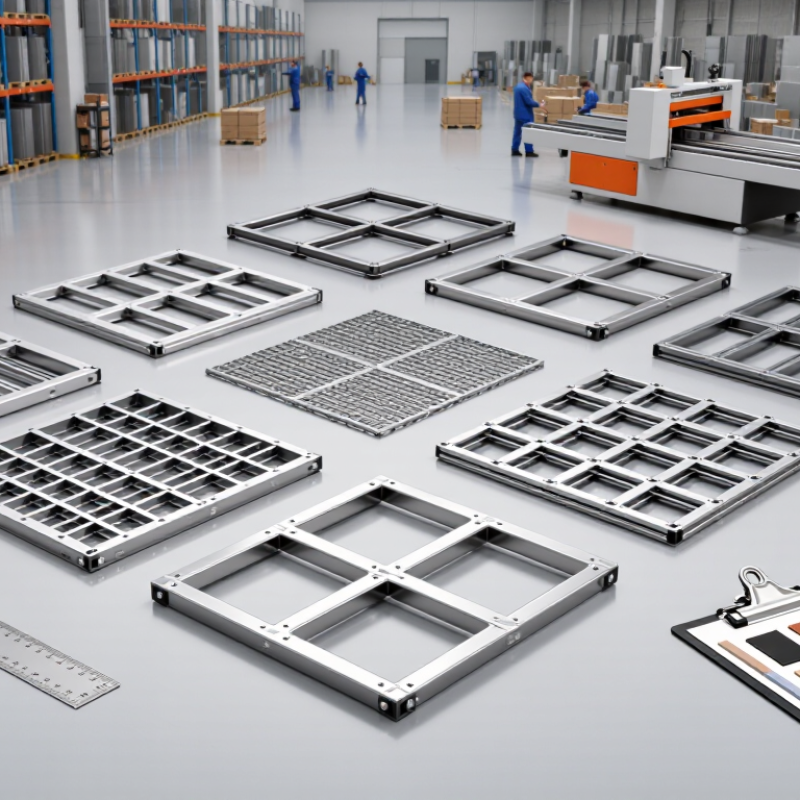
Definition and Applications of Structural Grating
Structural Grating: Definition and Applications
Structural grating is an open-grid panel designed to carry people, equipment, or moderate service loads. It usually combines parallel bearing bars with perpendicular cross bars. The open pattern reduces weight while allowing light, air, water, and debris to pass through. Common materials include carbon steel, stainless steel, and aluminum. Surface treatments may improve corrosion resistance and service life. It is not decorative.
In practical projects, structural grating forms factory platforms, maintenance walkways, stair treads, drainage covers, mezzanines, and access bridges. Workers can see standing water beneath their feet, which improves daily inspection. In food-processing or coastal areas, corrosion-resistant materials may be more suitable. Serrated surfaces can also increase slip resistance, especially near oil, rain, or cleaning water.
Correct selection requires more than matching panel dimensions. Engineers should review span length, bearing direction, concentrated loads, deflection limits, support conditions, and the surrounding environment. Local building requirements and recognized load standards should guide the final design. A panel that feels rigid during installation may still perform poorly under repeated traffic. This detail is easy to overlook. No material suits every location, and aggressive chemicals can shorten even a well-specified product’s life. Field measurements, accurate installation, and periodic inspections remain essential for reliable performance.
China Top 10 Structural Grating Manufacturers? - Definition and Applications of Structural Grating
| No. | Structural Grating Configuration | Primary Material | Manufacturing Method | Typical Surface | Common Standards or References | Typical Applications | Typical Panel Range | Main Selection Consideration |
|---|---|---|---|---|---|---|---|---|
| 1 | Welded Steel Bar Grating | Carbon steel | Resistance-welded load bars and cross bars | Hot-dip galvanized or painted | ASTM A36/A1011; ISO 1461 for hot-dip galvanizing | Walkways, platforms, stair treads, industrial floors | Approx. 500–1,000 mm wide; 2,000–6,000 mm long | Load-bar depth, span, corrosion protection, and deflection |
| 2 | Press-Locked Steel Grating | Carbon steel | Cross bars pressed into pre-punched load bars | Galvanized, painted, or untreated indoors | Project structural design; ISO 14122-2 for access platforms | Architectural floors, ventilation covers, walkways, equipment platforms | Approx. 600–1,000 mm wide; custom lengths available | Appearance, panel rigidity, opening size, and fabrication accuracy |
| 3 | Swage-Locked Steel Grating | Carbon steel or aluminum | Twisted or grooved cross bars mechanically locked into load bars | Galvanized, mill finish, or anodized aluminum | ASTM structural design practice; ISO 14122-2 where applicable | Light-duty platforms, pedestrian bridges, decorative screens, mezzanines | Approx. 500–1,200 mm wide; 2,000–6,000 mm long | Weight reduction, visual appearance, corrosion exposure, and span |
| 4 | Serrated Safety Grating | Galvanized carbon steel or stainless steel | Standard grating with serrated load-bar or cross-bar surfaces | Serrated and hot-dip galvanized | OSHA walking-working-surface guidance; ISO 14122-2 | Oil plants, chemical facilities, wet stairs, ramps, marine accessways | Approx. 600–1,000 mm wide; standard or project-specific lengths | Slip resistance, drainage, footwear compatibility, and cleaning |
| 5 | Heavy-Duty Press-Welded Grating | Structural carbon steel | High-capacity resistance welding with deeper load bars | Hot-dip galvanized or industrial coating | Project-specific structural calculations; ASTM A36 commonly specified | Truck crossings, warehouse floors, loading areas, heavy machinery platforms | Approx. 750–1,500 mm wide; length based on transport and lifting limits | Wheel loads, concentrated loads, support spacing, and impact resistance |
| 6 | Aluminum Structural Grating | Aluminum alloys such as 6061 or 6063 | Welded, press-locked, or swage-locked construction | Mill finish, anodized, or serrated | ASTM B221 for extruded aluminum; project design requirements | Water treatment, offshore facilities, rooftops, lightweight platforms | Approx. 500–1,200 mm wide; custom lengths commonly available | Low weight, galvanic compatibility, span capacity, and thermal movement |
| 7 | Stainless Steel Grating | 304 or 316 stainless steel | Resistance-welded or press-locked fabrication | Mill, pickled, passivated, or polished | ASTM A240/A276 material references; project corrosion requirements | Food processing, pharmaceutical plants, coastal structures, chemical areas | Approx. 500–1,000 mm wide; project-specific lengths | Chloride exposure, hygiene, corrosion resistance, and lifecycle cost |
| 8 | FRP Molded Grating | Fiberglass reinforcement with resin matrix | Continuous molding of load bars and integral mesh | Concave, grit-top, or solid-top slip-resistant finish | ASTM F3059; project fire, smoke, and structural requirements | Corrosive platforms, wastewater plants, offshore areas, electrical rooms | Common modules near 1,220 × 3,660 mm; other sizes are available | Resin type, fire performance, UV resistance, load span, and deflection |
| 9 | Swivel-Lock Removable Grating | Galvanized carbon steel, aluminum, or stainless steel | Grating panels secured with removable clips or locking fasteners | Plain or serrated anti-slip surface | ISO 14122-2 and project access-maintenance requirements | Cable trenches, drainage channels, inspection areas, service platforms | Usually 300–1,000 mm wide; modular lengths simplify handling | Removal frequency, fastener security, panel weight, and theft prevention |
| 10 | Architectural Close-Mesh Grating | Aluminum, stainless steel, or coated carbon steel | Press-locked or welded construction with reduced opening size | Anodized, powder-coated, polished, or galvanized | EN ISO 14122-2; local building and accessibility requirements | Pedestrian bridges, façades, balconies, public walkways, ceiling screens | Approx. 300–1,200 mm wide; lengths determined by design and transport | Opening size, visual design, pedestrian safety, finish durability, and drainage |



Get in touch with us,
We will contact you shortly!
What is the difference between Unline(Non-Epoxy Coated) or Lining(Epoxy Coated) Metal Drum?

What are Unline(Non-Epoxy Coated) and Lining(Epoxy Coated) drums compatible with?
What is the difference between Grade A and Grade B Metal Drum ?
What content is suitable to fill in a Recon Grade A or Grade B Drum?
What is the difference between Open Top and Close Top Drums and their usage?
What type of content are Metal or Plastic Drums suitable for?
Will there be any contamination in the reconditioned metal, plastic drums or IBC tanks?
What is the drum gauge(thickness) and weight for reconditioned metal drums?
Do you sell New Packaging Products too?
What additional services do you provide apart from selling reconditioned and new containers.?
Do you offer labelling and silkscreen on the containers ?
Are you able to ship overseas ?
Leading the Way
to Carbon Neutrality