Who Are the Top Open Top Plastic Drum Suppliers in China?
Choosing among China’s top open top plastic drum suppliers requires more than comparing prices or factory photographs. Buyers must examine resin quality, wall thickness, lid design, closure security, molding consistency, and production traceability. A polished factory photo proves little. Small details matter.
Freedonia’s World Plastic Drums research identifies Asia as a major manufacturing center for plastic drums, with China playing an important role in regional supply. The report also highlights demand for durable, lightweight, and cost-efficient industrial containers. Meanwhile, the OECD’s Global Plastics Outlook reports that global plastic waste reached 353 million tonnes in 2019, while only 9% was recycled. These figures make material efficiency, recycled-content claims, and end-of-life planning increasingly important when evaluating suppliers.
Ellen MacArthur, a leading circular-packaging authority, offers a useful challenge: “We need to eliminate the plastics we don’t need.” Her statement is highly relevant to open top plastic drum sourcing. The best supplier is not automatically the largest one. It should provide dependable performance, documented material specifications, suitable food-contact or industrial compliance where required, and practical recycling guidance. Buyers should also request sample testing under real conditions, including stacking, temperature changes, lid removal, and repeated handling. That step can expose weaknesses hidden by brochures.
This guide compares leading Chinese suppliers through those criteria. It also considers export experience, customization capability, quality control, and communication reliability. Some rankings may remain debatable. Supplier performance can change quickly, so independent verification is still essential.

What Are Open Top Plastic Drums and How Are They Used?
Open top plastic drums have a removable lid secured by a clamp ring. This design allows workers to fill, empty, clean, and inspect the container quickly. They commonly store powders, granules, liquids, food ingredients, agricultural materials, and industrial components. A wide opening matters when materials require scooping or manual loading.
Their performance depends on resin quality, wall thickness, lid design, and storage conditions. High-density polyethylene is widely selected because it resists moisture and many common chemicals. According to the OECD’s Global Plastics Outlook, global plastics production reached 460 million tonnes in 2019. That scale explains the growing need for more controlled packaging and recovery systems. However, material volume alone does not guarantee durability. A thin drum can deform under stacking pressure.
The Institute of Packaging Professionals emphasizes that packaging should match product properties, handling methods, and distribution risks. Suppliers in China should therefore provide drop-test records, dimensional tolerances, closure details, and batch traceability. Food-contact applications also need appropriate compliance documents. Small details matter. A weak clamp can loosen during transport. A lid that seals too tightly may slow production. In my experience, buyers sometimes focus only on unit price, then discover higher costs from damaged drums and difficult cleaning. The better question is practical: will the drum remain stable, clean, and usable throughout its full service cycle? Reusable designs help, but recycling plans still need improvement.
What Defines a Reliable Open Top Plastic Drum Supplier in China?
A reliable open top plastic drum supplier in China should prove quality before discussing price. Look for clear production records, material specifications, and consistent quality control procedures. Experienced suppliers explain resin grades, wall thickness, lid design, and closure performance without vague promises. They should also provide samples for drop, stacking, leakage, and temperature testing. A drum may look strong but fail after weeks in storage. That detail is easy to miss.
Tips: Request recent inspection reports and production photos. Check whether sample dimensions match the final quotation. Ask how the supplier manages batch differences, recycled content, and packaging damage. Confirm export documents, factory capacity, lead times, and communication procedures. A dependable supplier answers directly and records agreed specifications.
Certifications can support trust, but they should not replace physical testing. Check whether the certificates apply to the exact drum model. Ask about traceability from raw material delivery to finished products. Reliable manufacturers usually welcome third-party inspections and explain corrective actions after defects. No supplier is perfect. I would still review complaint records and sample failures before placing a large order. Small details, such as uneven rims or weak handles, can reveal deeper process problems. The best supplier is not simply the cheapest. It is the one that delivers stable performance, honest documentation, and practical support.
Which Chinese Suppliers Lead the Open Top Plastic Drum Market?
China’s leading open-top plastic drum suppliers are usually clustered around major manufacturing and export regions. Their advantage comes from integrated molding, tooling, and logistics capabilities. UN Comtrade data for HS 3923 places China among the world’s largest exporters of plastic transport packaging. This category includes drums, although it is broader than drums alone.
Market leaders typically use high-density polyethylene, with wall thicknesses matched to load and stacking conditions. Many factories offer 30-, 60-, and 220-liter formats, removable lids, and replaceable gasket systems. The OECD’s Global Plastics Outlook reported global plastic production at 460 million tonnes in 2019. That scale supports strong upstream material availability in China. It does not guarantee consistent drum quality.
Experienced buyers should inspect resin traceability, drop-test records, closure torque, and pallet performance. Suppliers serving food, industrial, and regulated logistics markets should provide documented compliance testing. ISO 9001 certification can indicate process control, but it cannot replace batch-level inspection. China Customs and third-party laboratory records are useful for checking export experience and test reliability. This method is imperfect. HS codes can blur product comparisons, while online specifications may omit actual tolerances. A practical audit should include sample drums, lid removal trials, and a filled-load test under warm warehouse conditions. Small details matter. A slightly warped rim can weaken the seal during repeated handling.
How Can Buyers Select the Right Chinese Plastic Drum Supplier?
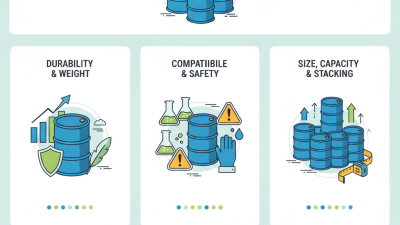
Choosing a Chinese open-top plastic drum supplier requires more than comparing online prices. In practical sourcing, buyers should match drum capacity, wall thickness, lid design, and material grade with the intended application. High-density polyethylene often offers strong chemical resistance, but resin quality can vary between batches. Ask for technical data sheets, production samples, and batch traceability records. A reliable supplier should explain its molding process clearly. Vague answers deserve caution.
Inspect sample drums before signing a large order. Check the rim for warping, the gasket for even compression, and the closure ring for smooth locking. Fill each sample with water and observe leaks after 24 hours. Simple tests matter. Request stack-load results if drums will travel or remain in warehouses. Independent laboratory reports are more useful than unverified certificates. Buyers should also confirm factory capacity, inspection procedures, minimum order quantities, lead times, export packaging, and replacement policies. A video tour helps, but it cannot replace an on-site audit.
Communication reveals operational maturity. Can the supplier document a design change? Can it report a delayed shipment honestly? These details affect total cost more than a low quotation. Avoid choosing solely from polished catalogs. I have seen attractive samples hide inconsistent wall thickness, though one inspection never proves everything. Compare several production batches when possible. A written specification, signed approval sample, and defined acceptance standard reduce disputes after delivery.
How Buyers Can Select the Right Chinese Plastic Drum Supplier
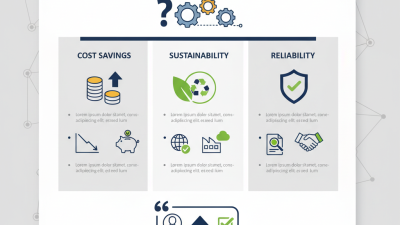
This suggested evaluation model prioritizes product compliance, quality consistency, and supply reliability before commercial terms. Buyers should verify test reports, UN certification where required, resin specifications, closure compatibility, factory quality systems, export experience, and production capacity during supplier audits.