Top Plastic Tanks for Every Need Which One Is Right for You

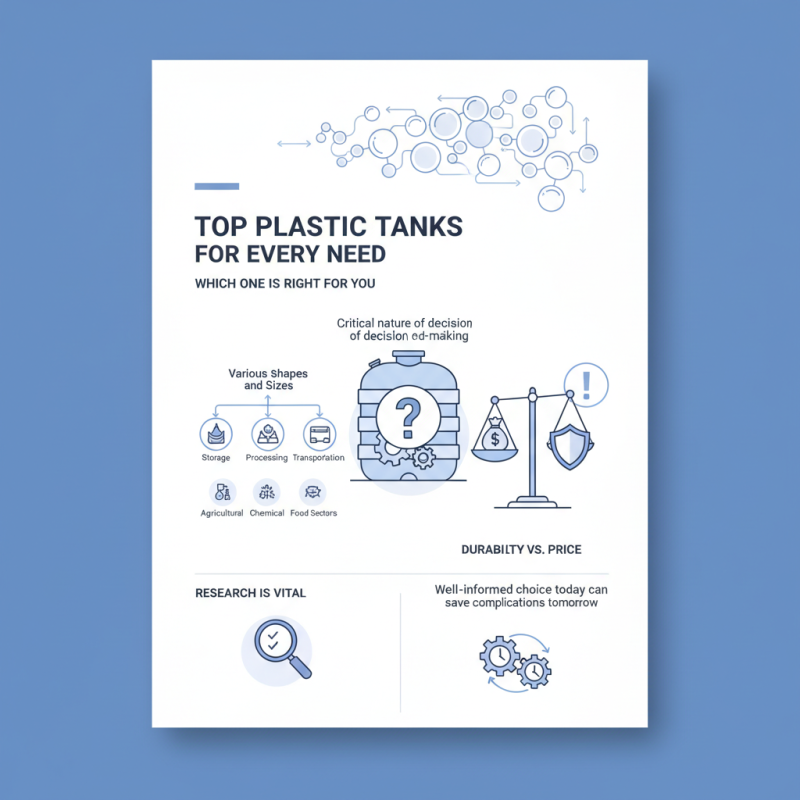
When it comes to selecting the right plastic tanks, the choices can be overwhelming. John Smith, a leading expert in the plastic tanks industry, once stated, “Choosing the right plastic tank not only depends on the application but also on the longevity and safety of the materials.” This highlights the critical nature of decision-making in this field.

Plastic tanks come in various shapes and sizes, designed to meet a multitude of needs. Industries use them for storage, processing, and transportation. They serve agricultural, chemical, and food sectors. However, the variety can make it difficult to find the ideal tank. It’s essential to consider the specific requirements and limitations of what you need to store.

Many potential buyers overlook crucial factors. They may select tanks based on price, but durability is just as important. If a tank fails, it can lead to significant losses. Research is vital before a purchase. Remember, a well-informed choice today can save complications tomorrow.
Top Plastic Tanks for Every Need Which One Is Right for You

Types of Plastic Tanks: Understanding the Options Available

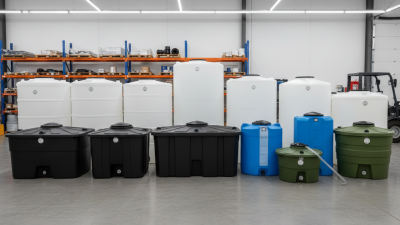
When it comes to selecting plastic tanks, understanding the variety available is crucial. There are many types to consider. For instance, water storage tanks are popular for residential use. They come in various sizes, ranging from small, to large. These tanks are often made of high-density polyethylene. This material resists corrosion and UV rays, making it a solid choice for outdoor use.

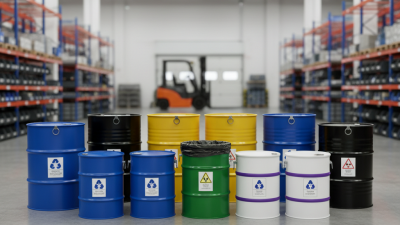
Chemical storage tanks are another category. They are designed to safely hold various chemicals. The materials they use often require extra durability and chemical resistance. It is important to know what you'll store. Otherwise, an incompatible tank can lead to damage or even hazardous situations.

Some tanks offer a dual purpose. They can be used for both water and waste, saving space. Consideration must be given to the tank's configuration. Size, shape, and fittings can affect usability. Careful evaluation of your needs is essential, as the wrong choice may lead to inefficiencies. Reflect on your actual requirements and choose wisely to ensure the right fit.
Key Features to Consider When Choosing Plastic Tanks

When selecting a plastic tank, consider its primary purpose. Tanks vary greatly based on their intended use. For water storage, look for options with UV protection. For chemicals, resistant materials are crucial. The tank’s design plays a role too. Some feature built-in handles for easier transport. Others come with clear markings for secure measurements.

Capacity matters significantly. Smaller tanks are suitable for limited space. Larger tanks hold more but require ample room. Evaluate your environment; hot climates may demand specific materials. Also, look at fittings and connections. Will you need bulkheads or vents? These details affect functionality.

Finally, think about maintenance. Some tanks might need regular cleaning. This can become a chore. Ask yourself: is it worth it? Durability is vital, yet some products may fall short. Research user reviews for real-life feedback. This can uncover hidden flaws or strong suits. Your tank choice should enhance efficiency, not complicate life.

Applications of Plastic Tanks in Various Industries

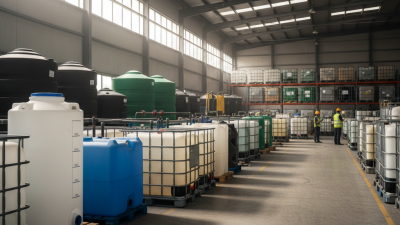
Plastic tanks are versatile and widely used across various industries. Their lightweight nature and durability make them suitable for different applications. In agriculture, they store water and fertilizers. These tanks help ensure efficient irrigation and crop growth. In chemical processing, specialized plastic tanks handle corrosive substances safely. Their design minimizes risks and enhances workplace safety.

In the food and beverage industry, food-grade plastic tanks are essential. They preserve liquids like juices or dairy products. Maintaining hygiene is crucial in these applications. Operators must regularly inspect for cracks and leaks. Regular maintenance can prevent contamination.

Tips: Choose the right thickness for your specific liquid. Thicker tanks offer better durability but may add weight. Consider environmental factors like temperature changes. They can affect material integrity. Always use tanks that match your local regulations. Overlooked details can lead to costly mistakes.

Top Plastic Tanks for Various Applications

Maintenance and Care Tips for Longevity of Plastic Tanks

Top Plastic Tanks for Every Need Which One Is Right for You

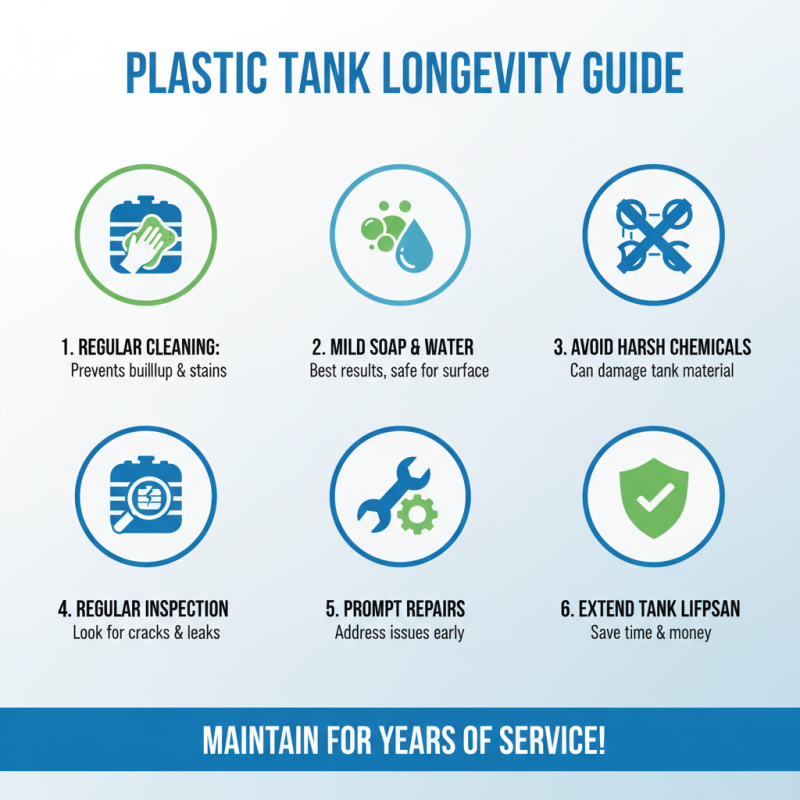
Maintaining plastic tanks is essential for their longevity. Regular cleaning helps prevent buildup and stains. Use mild soap and water for the best results. Avoid harsh chemicals; they can damage the tank's surface. Inspect the tank regularly. Look for cracks or leaks. These issues can lead to significant problems if not addressed promptly.

Store the tank in a cool, shaded area when not in use. Sunlight can deteriorate the plastic over time. If discoloration occurs, it might be time to consider replacement. Make sure to empty the tank and clean it thoroughly before long-term storage. This reduces the risk of mold and algae growth.

Pay attention to the fittings and connections. Loose parts can cause spills or leaks. Regular inspections will catch these issues early. Sometimes, you might overlook the simplest details. Yet, they can have significant impacts on the tank's functionality. Small maintenance actions can prevent bigger problems down the line. Always be attentive to the condition of your plastic tank.

Comparative Analysis: Plastic Tanks vs. Other Materials

When considering plastic tanks, it's essential to evaluate their advantages over other materials. Plastic tanks are lightweight and easy to transport. They resist corrosion and are less likely to dent compared to metal tanks. These features make them appealing in various environments. However, they can be less durable when exposed to extreme temperatures.

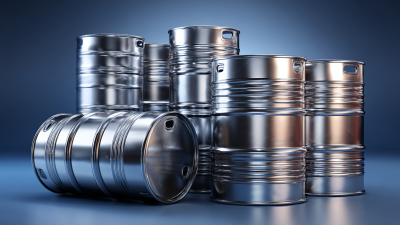
In contrast, metal tanks offer robust strength and longevity. They can withstand pressure better than plastic tanks. Yet, they are heavier and often prone to rust if not properly coated. Glass tanks are another alternative, providing excellent clarity and chemical resistance. Nonetheless, they are fragile and can shatter easily.

Choosing the right tank means weighing these factors. Think about the specific environment where the tank will be used. It may require careful consideration of temperature, weight, and resistance to chemicals. Each material has its pros and cons, demanding thoughtful reflection on their applications. It’s a balancing act between practicality and durability.

Get in touch with us,
We will contact you shortly!

Get in touch with us by filling up the enquiry form. We will contact you shortly!

    What is the difference between Unline(Non-Epoxy Coated) or Lining(Epoxy Coated) Metal Drum?

    What are Unline(Non-Epoxy Coated) and Lining(Epoxy Coated) drums compatible with?

    What is the difference between Grade A and Grade B Metal Drum ?

    What content is suitable to fill in a Recon Grade A or Grade B Drum?

    What is the difference between Open Top and Close Top Drums and their usage?

    What type of content are Metal or Plastic Drums suitable for?

    Will there be any contamination in the reconditioned metal, plastic drums or IBC tanks?

    What is the drum gauge(thickness) and weight for reconditioned metal drums?

    Do you sell New Packaging Products too?

    What additional services do you provide apart from selling reconditioned and new containers.?

    Do you offer labelling and silkscreen on the containers ?

    Are you able to ship overseas ?

    Leading the Way
    to Carbon Neutrality

    Drumming sustainability into every aspect of our operations, we strive to create a greener and more conscious future for generations to come.
    Contact Us
    WhatsApp
    Email
    Join Our Newsletter

    Sign up for our newsletter for exclusive discounts and latest news of new launches!

      Logo Logo Logo Logo Logo
      Scroll to Top