
Top 10 Vacuum Transfer Pumps for Global Buyers
Vacuum transfer systems are moving from specialist workshops into food processing, chemical handling, laboratories, and semiconductor production. Buyers now expect cleaner operation, stable flow, lower noise, and predictable maintenance costs.
Grand View Research valued the global vacuum pumps market at approximately USD 5.33 billion in 2023. Its report projects continued growth through 2030, supported by semiconductor, pharmaceutical, and industrial automation demand. MarketsandMarkets also identifies process industries and advanced manufacturing as important growth areas. These figures describe the wider vacuum pump market, not every Vacuum Transfer Pump application. That distinction matters.
A small pump may look efficient on paper. Yet it can struggle with viscous liquids, vapor, dust, or frequent start-stop cycles. Hose diameter, sealing materials, ultimate vacuum, transfer distance, and cleanability can change the real result. A laboratory pump may fail beside a warm chemical drum. An industrial pump may be excessive for a compact packaging line.
Dr. John F. O’Hanlon, author of A User’s Guide to Vacuum Technology, explains, “A vacuum is a space from which air or other gas has been removed.” His point remains practical: vacuum performance depends on the application, not marketing language.
This Top 10 Vacuum Transfer Pump guide compares leading options for global buyers. It considers pumping speed, pressure range, compatibility, energy use, service access, and supplier reliability. No ranking is perfect. Local voltage, certifications, spare-part availability, and operator experience can change the best choice. Read the specifications carefully. Then test the pump under real working conditions.
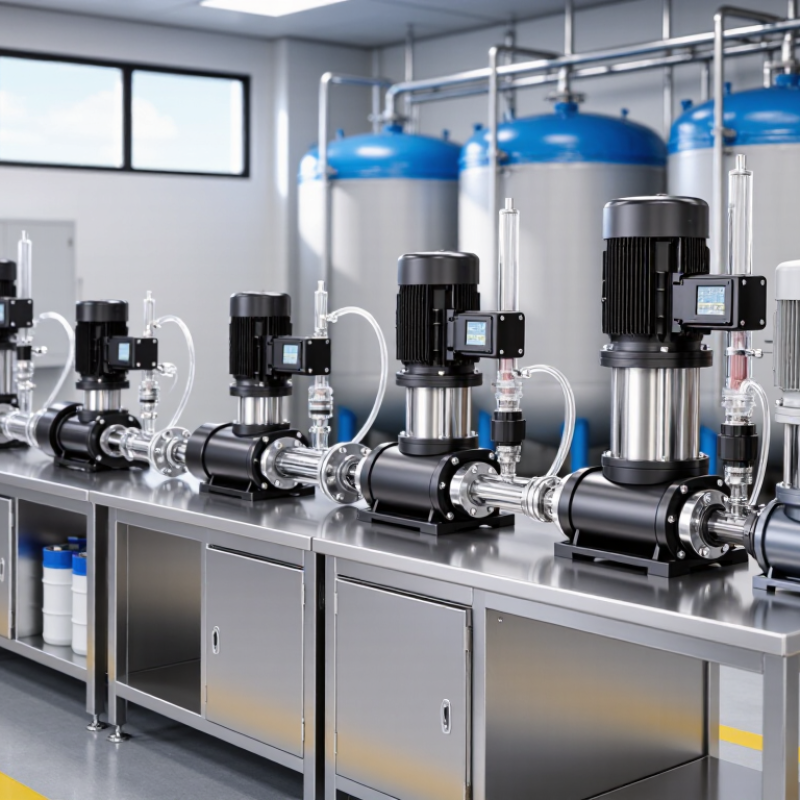
Vacuum Transfer Pump Fundamentals: Pressure, Flow, and ISO 21360-1
Choosing a vacuum transfer pump requires more than comparing the lowest pressure on a datasheet. Pressure describes the vacuum level, while flow describes how quickly the pump removes gas from a chamber or transfer line. These values change with inlet pressure, gas composition, temperature, and system resistance. A pump can reach deep vacuum yet transfer gas slowly through a narrow tube.
ISO 21360-1 provides a common framework for measuring and reporting vacuum-pump performance. It helps engineers compare volume flow rate, ultimate pressure, and test conditions more consistently. However, laboratory results do not perfectly represent every installation. Long hoses, sharp bends, valves, and leaking fittings reduce effective conductance. Small details matter.
Check the operating point.
For global buyers, ask how the supplier measured flow and whether the test used the same gas and pressure range as your process. A practical test should include the actual pipe diameter, connection length, and expected gas load. I have seen buyers select a pump by ultimate pressure alone, then discover unstable transfer performance in production. That mistake is easy to repeat. ISO-based data improves confidence, but field verification remains essential. A pressure gauge near the chamber, rather than beside the pump, often reveals the real performance.



Get in touch with us,
We will contact you shortly!
What is the difference between Unline(Non-Epoxy Coated) or Lining(Epoxy Coated) Metal Drum?

What are Unline(Non-Epoxy Coated) and Lining(Epoxy Coated) drums compatible with?
What is the difference between Grade A and Grade B Metal Drum ?
What content is suitable to fill in a Recon Grade A or Grade B Drum?
What is the difference between Open Top and Close Top Drums and their usage?
What type of content are Metal or Plastic Drums suitable for?
Will there be any contamination in the reconditioned metal, plastic drums or IBC tanks?
What is the drum gauge(thickness) and weight for reconditioned metal drums?
Do you sell New Packaging Products too?
What additional services do you provide apart from selling reconditioned and new containers.?
Do you offer labelling and silkscreen on the containers ?
Are you able to ship overseas ?
Leading the Way
to Carbon Neutrality