Top Water Barrels for Sale Which One Should You Choose?

Choosing among the top water barrels for sale can feel simple until capacity, material, and storage conditions affect your decision. A 55-gallon barrel may suit a family garden, while a slimmer 30-gallon model fits beneath a narrow downspout. The right choice depends on how much water is needed, where the barrel will stand, and whether the stored water is intended for drinking, cleaning, or irrigation.

Material deserves careful attention. Food-grade polyethylene is commonly selected for potable water storage because it is durable, lightweight, and resistant to corrosion. However, not every plastic barrel is designed for drinking water. Check the manufacturer’s specifications, cleaning instructions, UV resistance, and fitting quality before buying. A secure lid helps keep leaves and insects out. A sturdy tap makes filling a watering can less frustrating. Small details matter.

Capacity is only part of the decision.

Practical experience suggests measuring the available space first. Include room for hoses, maintenance, and safe access around the barrel. A dark-colored model may reduce light exposure, but it can absorb more heat in direct sun. This is where product comparisons become imperfect. Price, appearance, and performance do not always align. Reliable sellers should provide clear material information, warranty details, and realistic weight limits. Consider the barrel’s full weight, especially on decks or raised platforms. With careful inspection and honest comparison, the best water barrel becomes the one that fits the site, purpose, and maintenance routine—not simply the largest or cheapest option.

Top Water Barrels for Sale Which One Should You Choose?

What Is a Water Barrel and How Is It Used?

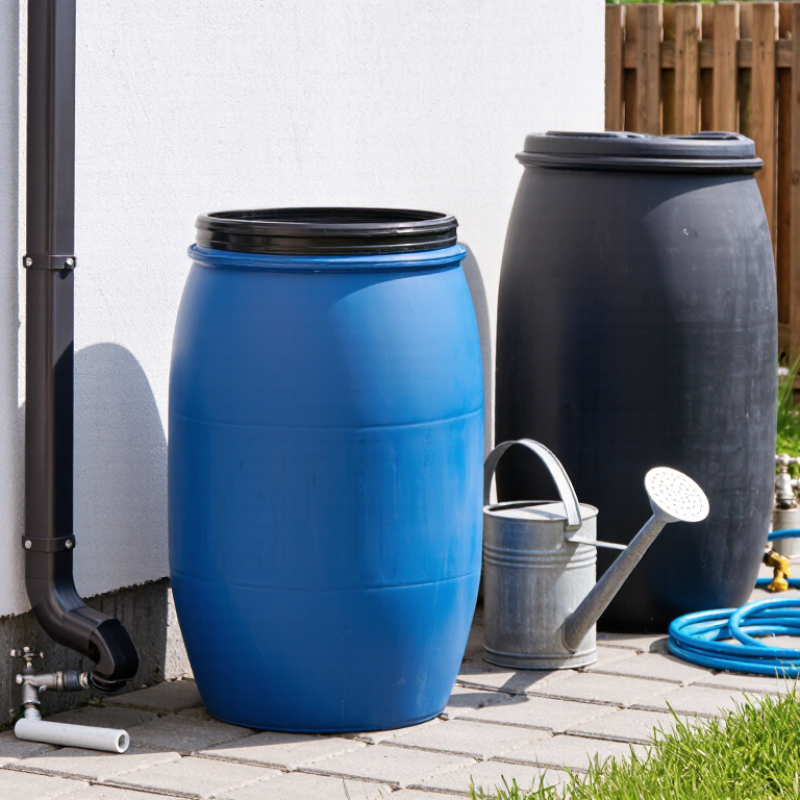
A water barrel is a sturdy container designed to store water for later use. Many households collect rainwater from roof gutters and direct it into a barrel. Others use barrels for emergency reserves, gardening, cleaning, or livestock needs. The best size depends on rainfall, available space, and daily demand. A covered barrel helps block leaves, insects, and sunlight. It should also have a secure lid and a stable base.

Stored water is not automatically safe to drink. Water collected from a roof may contain dust, bird waste, or chemical residue. Use it for plants, washing tools, or outdoor cleaning unless it has been properly treated and tested. For drinking water, choose a container approved for potable storage and follow local health guidance. I once underestimated how quickly a small barrel filled during heavy rain. It overflowed near the foundation. That was a useful mistake, but an avoidable one.

Tips: Clean the barrel before filling it. Inspect the tap for leaks. Keep the opening covered. Place the barrel away from children and pets. Avoid direct sunlight when possible. Check the water regularly, even when it looks clear. For long-term storage, records of cleaning dates can help, though people often forget them. A simple label works better.

Top Water Barrels for Sale: Which One Should You Choose? — What Is a Water Barrel and How Is It Used?

Water Barrel Type Typical Capacity Common Material Approximate Size Approximate Empty Weight Best For Main Advantages Important Considerations
Compact Rain Barrel 30–50 gallons
(114–189 liters)
UV-resistant polyethylene or recycled plastic Approximately 20–25 in. wide × 30–40 in. high 15–30 lb
(7–14 kg)
Small gardens, balconies, patios, and limited outdoor space Lightweight, easy to position, and suitable for collecting water from a small downspout Lower storage capacity; it may fill quickly during heavy rainfall and usually requires an overflow outlet
Standard Rain Barrel 50–65 gallons
(189–246 liters)
UV-resistant polyethylene Approximately 23–28 in. wide × 32–42 in. high 20–35 lb
(9–16 kg)
Home gardens, flower beds, and general outdoor watering Balanced capacity, manageable footprint, and commonly compatible with downspout diverters Must be placed on a stable, level base; a full barrel can weigh more than 400 lb
Large Vertical Storage Barrel 80–120 gallons
(303–454 liters)
Rotomolded polyethylene Approximately 28–36 in. wide × 40–55 in. high 35–65 lb
(16–29 kg)
Larger yards, greenhouse irrigation, and extended dry periods Stores more water while using relatively little ground space Requires a strong foundation, secure overflow management, and sufficient clearance for installation
Horizontal Water Storage Tank 100–300 gallons
(379–1,136 liters)
Heavy-duty polyethylene Varies by capacity; commonly 40–70 in. wide × 30–50 in. high 60–150 lb
(27–68 kg)
Large gardens, utility areas, and properties with wider floor space Lower profile than tall tanks and convenient for gravity-fed or pump-assisted systems Needs a broad, level support surface; the filled tank is extremely heavy and difficult to relocate
Food-Grade Reused Drum Approximately 55 gallons
(208 liters)
Food-grade high-density polyethylene Approximately 23 in. wide × 35 in. high 20–30 lb
(9–14 kg)
Budget-conscious non-potable rainwater collection Durable, widely available, and often less expensive than purpose-built storage containers Confirm previous contents, clean thoroughly, block light, and use only for appropriate non-potable applications unless a certified treatment system is provided
Collapsible Water Tank 50–500 gallons
(189–1,893 liters)
Reinforced PVC, coated fabric, or flexible polymer Depends on capacity; footprint expands when filled Approximately 10–80 lb
(5–36 kg)
Seasonal use, temporary storage, camping, and locations where permanent tanks are impractical Lightweight when empty, easy to transport, and simple to store between uses More vulnerable to punctures and abrasion; the support area must be free of sharp objects and debris
Underground Cistern 500–5,000+ gallons
(1,893–18,927+ liters)
Reinforced polyethylene, concrete, or fiberglass Varies according to tank capacity and excavation design Varies significantly by construction High-volume rainwater harvesting and properties requiring concealed storage Preserves outdoor space, reduces exposure to sunlight, and can provide substantial storage capacity Higher installation cost; requires excavation, filtration, access for maintenance, and professional planning in many locations

Water barrels collect and store rainwater or other non-potable water for uses such as landscape irrigation, hand watering, and cleaning. Always check local regulations, keep stored water covered, prevent mosquito access, and do not use untreated barrel water for drinking or food preparation.

Which Water Barrel Types, Sizes, and Materials Are Available?

Water barrels come in several practical types, and each suits a different storage situation. Upright barrels are stable and easy to inspect, while stackable models save floor space. Collapsible barrels are useful for temporary storage or transport. Rain barrels collect roof runoff, but the water may contain dust, leaves, and roofing residue. They usually need filtering before garden use.

Size affects handling more than many buyers expect. Small barrels hold about 20 to 30 gallons and fit beside a shed or utility area. Medium barrels commonly store 40 to 60 gallons for household or gardening needs. Larger tanks can exceed 100 gallons, but a full tank becomes extremely heavy. Check the supporting surface first. A weak platform can crack under pressure.

Material also matters. Food-grade polyethylene is lightweight, corrosion-resistant, and widely used for drinking-water storage. Choose a model with a tight lid and UV-resistant construction. Stainless steel offers strong durability and easier cleaning, although it costs more and weighs more. I once chose a large barrel for convenience, then found it awkward to move when partly filled. That mistake changed my buying process. Capacity, access, cleaning, and placement should be assessed together. Labels can be confusing, so verify the material rating and intended water use before purchase. Some advice online sounds confident but ignores local temperature, sunlight, and maintenance conditions.

How Should You Compare Water Barrel Features and Specifications?

Choosing a water barrel should begin with capacity, not appearance.

The CDC recommends storing at least one gallon per person daily for three days. FEMA uses the same baseline for emergency planning. A 55-gallon barrel therefore supports one person for about 55 days, before cooking and sanitation needs are considered. That estimate can feel generous. It is not.

Check the material certificate and intended use. NSF/ANSI/CAN 61 evaluates products that contact drinking water, while a general industrial container may only suit non-potable storage. The barrel should block light, because algae can grow inside translucent plastic. A tight lid, replaceable gasket, and screened vent reduce dust and insects.

Inspect the outlet height, thread size, and internal corners. Small fittings often create large maintenance problems. I have found that a barrel with a lower outlet is easier to drain, but harder to clean underneath.

The WHO and UNICEF Joint Monitoring Programme reported that 2.2 billion people lacked safely managed drinking water in 2022. Storage does not equal treatment. Choose a barrel that allows regular cleaning, clear labeling, and safe disinfection procedures. Compare wall thickness, temperature limits, UV resistance, and delivered weight. A full 55-gallon barrel weighs roughly 460 pounds, so the floor and stand need careful review. Many buyers overlook this detail. That mistake deserves reconsideration.

What Safety, Installation, and Maintenance Factors Matter?

Choosing among top water barrels for sale starts with safety, not capacity. Select a food-grade barrel if the water may contact people, pets, or garden produce. A tightly fitted, opaque lid helps block sunlight, insects, and falling debris. Keep the barrel away from children and place it on stable, level ground. A full barrel is extremely heavy. Check the tank, tap, and seals for cracks before delivery. Do not assume a clean-looking container is automatically safe.

Installation should include a screened inlet, an overflow hose, and a shutoff valve. Direct overflow away from walls, foundations, and walkways. Connect the barrel to a clean downspout, but use a first-flush diverter when collecting roof water. Roof dust, bird droppings, and leaves can enter during the first rainfall. Local water-use rules may also affect placement or intended use. Measure the downspout twice. A small fitting mistake can cause persistent leaks.

Maintenance is simple, but easy to postpone. Rinse the barrel and clear the screen every few weeks during heavy use. Inspect the base after storms and look for bulging, algae, odors, or slow leaks. Drain and clean the container before long storage. I once ignored a partly blocked screen, and overflow stained a nearby wall. That mistake changed my routine. Keep a written inspection date near the tap. Water used for drinking requires separate treatment and verified testing, not guesswork.

Which Water Barrel Best Fits Your Water Storage Needs?

Choosing the best water barrel depends on how you will use, fill, and protect it. A compact barrel may suit balcony gardening, while a larger model supports emergency household storage. Measure the available space first, including the lid area and tap clearance. A barrel that fits indoors may still be difficult to move when full. Water weighs about one kilogram per liter. My first estimate was wrong.

Check the material carefully. For drinking water, choose a container labeled for potable-water storage and made from food-grade material. Opaque walls help reduce sunlight, algae growth, and temperature changes. A secure lid keeps dust and insects away, while a raised base can improve drainage and access. Local water-storage guidance may also affect your choice.

Tips: Estimate weekly use before selecting capacity. Leave room for safe handling. Inspect seams, taps, and seals before purchase. Clean the barrel with approved methods, then air-dry it fully. Replace stored water according to local health advice. Mark the filling date. Small details matter.

Think about the water source, too. Rainwater collection may require a screened inlet and first-flush diversion. Tap-filled storage needs a clean hose and careful handling. In cold climates, freezing can crack rigid containers. In hot areas, shade is essential. I prefer a slightly smaller barrel if one person must move it, but that choice can reduce reserve capacity. Your practical routine should guide the final decision.

Get in touch with us,
We will contact you shortly!

Get in touch with us by filling up the enquiry form. We will contact you shortly!

    What is the difference between Unline(Non-Epoxy Coated) or Lining(Epoxy Coated) Metal Drum?

    What are Unline(Non-Epoxy Coated) and Lining(Epoxy Coated) drums compatible with?

    What is the difference between Grade A and Grade B Metal Drum ?

    What content is suitable to fill in a Recon Grade A or Grade B Drum?

    What is the difference between Open Top and Close Top Drums and their usage?

    What type of content are Metal or Plastic Drums suitable for?

    Will there be any contamination in the reconditioned metal, plastic drums or IBC tanks?

    What is the drum gauge(thickness) and weight for reconditioned metal drums?

    Do you sell New Packaging Products too?

    What additional services do you provide apart from selling reconditioned and new containers.?

    Do you offer labelling and silkscreen on the containers ?

    Are you able to ship overseas ?

    Leading the Way
    to Carbon Neutrality

    Drumming sustainability into every aspect of our operations, we strive to create a greener and more conscious future for generations to come.
    Contact Us
    WhatsApp
    Email
    Join Our Newsletter

    Sign up for our newsletter for exclusive discounts and latest news of new launches!

      Logo Logo Logo Logo Logo
      Scroll to Top