
Why Choose a Packaging Gift Box for Your Brand?
A Packaging Gift Box can turn an ordinary purchase into a memorable brand experience. Customers notice texture, structure, and presentation before reading every product detail. A sturdy box with clean printing suggests care. It also protects the item during shipping, storage, and unboxing.
From practical experience, small details often create the strongest reactions. A magnetic closure can feel smooth in the hand. A cotton ribbon may add warmth. A fitted insert can prevent movement and reduce damage. However, design must follow the product. A beautiful box that is difficult to open may frustrate customers. It is not a perfect solution.
Professional packaging decisions begin with clear brand goals. Consider the product’s weight, dimensions, fragility, and delivery conditions. Test the box with real handling, not only digital mockups. Check whether colors remain accurate under store lighting. Review every printed claim carefully. Reliable suppliers should provide material details, samples, and consistent quality control.
A Packaging Gift Box can also communicate brand values. Recyclable paper, water-based inks, and reusable structures may support responsible positioning. Yet sustainability claims require evidence. Avoid vague promises. A smaller box may reduce unnecessary material and shipping volume. Sometimes, less feels more.
The strongest packaging balances appearance, protection, cost, and customer expectations. It should look distinctive without becoming wasteful. It should feel premium without hiding the product. Brand teams may need to revise the design several times. That effort is worthwhile when the final box feels natural, useful, and unmistakably connected to the brand.
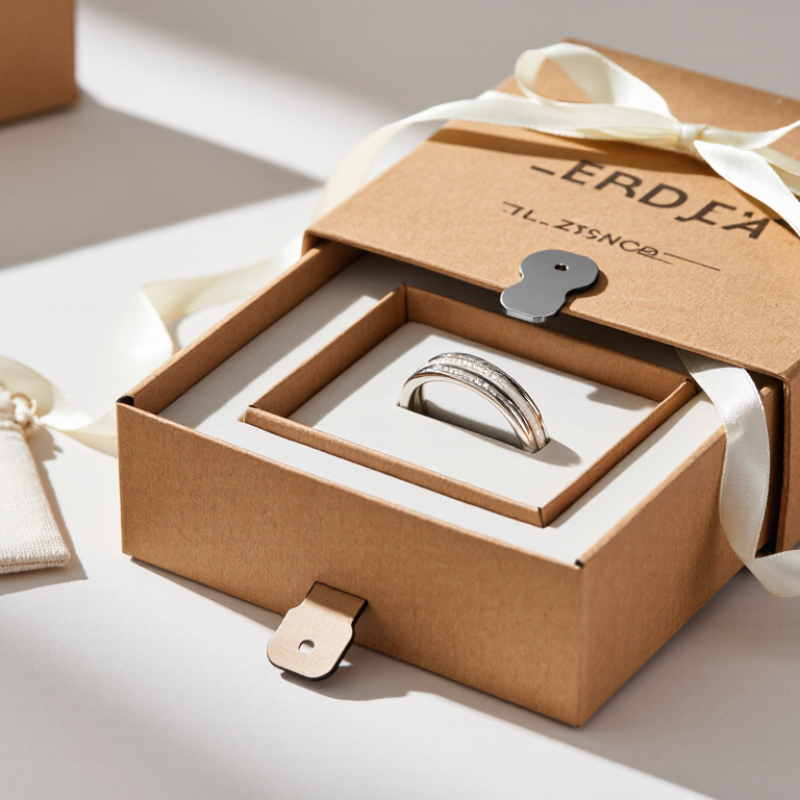
What Is a Packaging Gift Box and How Does It Support Branding?
A packaging gift box is a structured container designed to protect a product while creating a deliberate unboxing experience. It may use rigid board, textured paper, molded inserts, or a magnetic closure. The box gives customers a physical signal before they see the product. Color, spacing, surface texture, and opening resistance can communicate quality more clearly than a slogan. A 2023 global packaging report found that many consumers consider packaging materials when judging a purchase. It also reported stronger interest in recyclable and reusable formats. This makes the box both a branding tool and a responsibility.
The box should repeat useful brand cues without becoming visually crowded. A small logo, consistent color, and carefully printed message can improve recognition. Research from a 2023 e-commerce packaging survey found that branded packaging can influence repeat-purchase intentions. However, an expensive box cannot repair poor product quality or confusing instructions. That part is easy to forget. Excessive layers may also frustrate customers and increase waste. Sustainable claims require evidence, not attractive wording.
Tips: Match the box size to the product, test the opening experience, and state disposal guidance clearly. Use inserts that prevent movement, but question whether every decorative layer is necessary. A practical sample review with real users may reveal problems that a design meeting misses.



Get in touch with us,
We will contact you shortly!
What is the difference between Unline(Non-Epoxy Coated) or Lining(Epoxy Coated) Metal Drum?

What are Unline(Non-Epoxy Coated) and Lining(Epoxy Coated) drums compatible with?
What is the difference between Grade A and Grade B Metal Drum ?
What content is suitable to fill in a Recon Grade A or Grade B Drum?
What is the difference between Open Top and Close Top Drums and their usage?
What type of content are Metal or Plastic Drums suitable for?
Will there be any contamination in the reconditioned metal, plastic drums or IBC tanks?
What is the drum gauge(thickness) and weight for reconditioned metal drums?
Do you sell New Packaging Products too?
What additional services do you provide apart from selling reconditioned and new containers.?
Do you offer labelling and silkscreen on the containers ?
Are you able to ship overseas ?
Leading the Way
to Carbon Neutrality